Introduction: The Value of Lead Acid Battery Recycling
Launching a lead acid battery recycling plant setup combines environmental stewardship with access to a growing market for recycled lead and plastic. However, building a compliant, efficient, and profitable operation requires careful planning across technology, location, costs, and regulations.
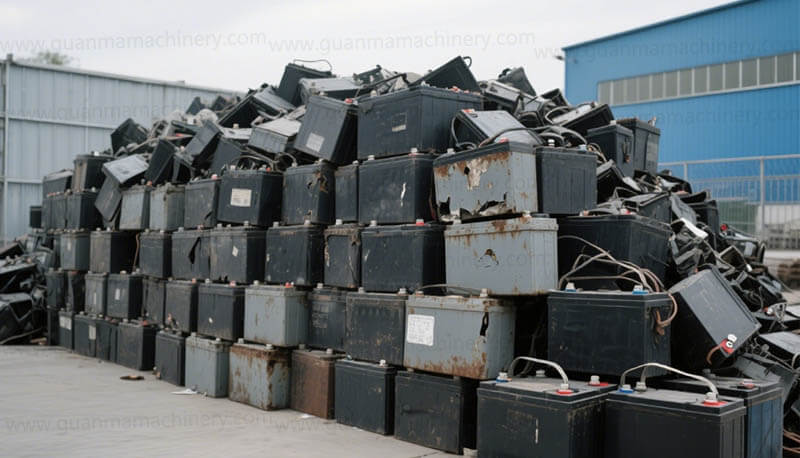
1. Technology Selection & Process Flow
Choosing the right technology is foundational to operational efficiency.
1.1 Battery Breaking & Separation
Select between wet or dry breaking systems based on your needs:
Wet breaking: Uses water for dust control but requires wastewater management.
Dry breaking: Relies on air classification, reducing water use but needing robust dust filtration.
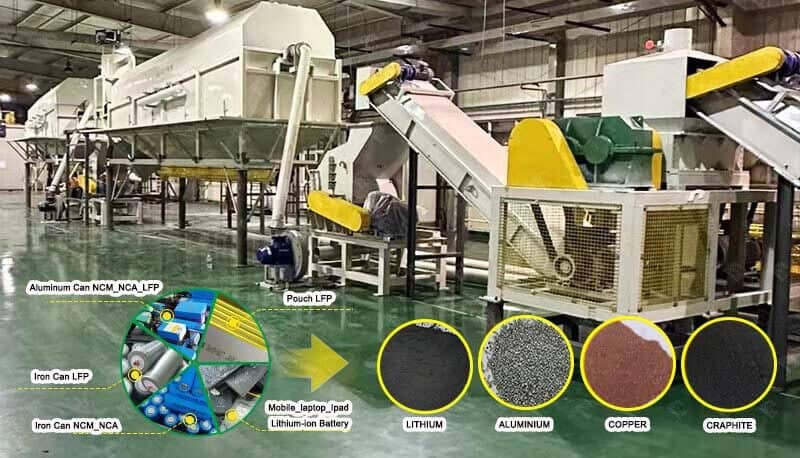
Equipment choices include hammer mills (high throughput) or rotary shears (precision cutting to minimize wear).
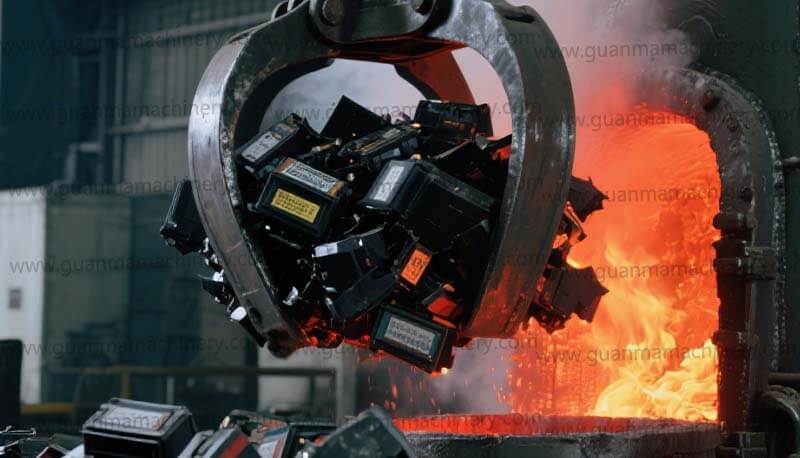
1.2 Lead Smelting Technology
Smelting furnace selection impacts recovery rates:
Blast furnaces: Ideal for large-scale operations with consistent feedstock.
Rotary furnaces: Offer flexibility for varying material quality, with lower emissions when paired with modern controls.
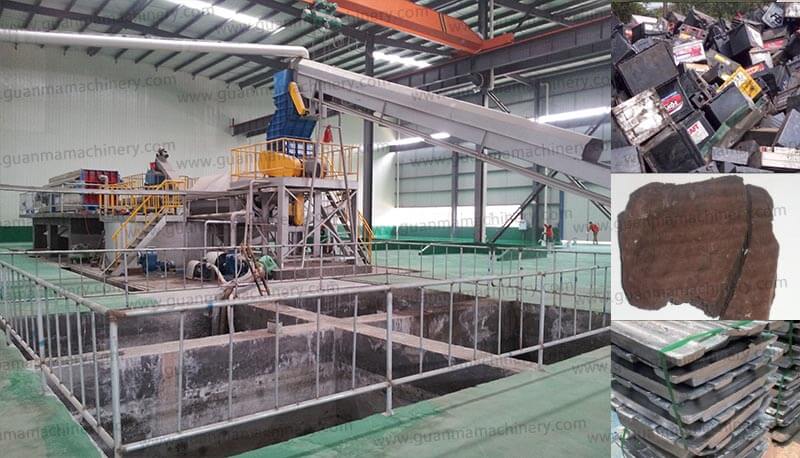
1.3 Integrated Equipment
Ensure seamless integration of crushers, hydro-separation units, paste desulfurization systems, and refining kettles. A poorly designed scrap collection system can cripple overall efficiency.
2. Location & Infrastructure Requirements
Site selection directly affects costs and compliance.
2.1 Industrial Site Essentials
Prioritize locations near scrap sources to reduce logistics costs. Ensure zoning permits for recycling operations and sufficient buffer zones from residential areas.
2.2 Critical Utilities
Secure high-capacity power, reliable water supply, and wastewater treatment access. Transportation links (roads/rail) are vital for feedstock delivery and product distribution.
2.3 Acid Neutralization Infrastructure
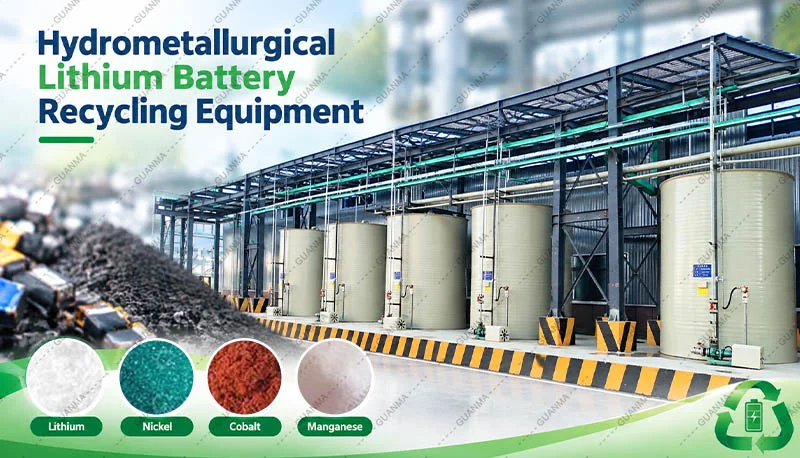
Dedicated acid neutralization plants are mandatory to treat sulfuric acid from batteries, meeting environmental discharge standards.
3. Capital & Operational Costs
Accurate budgeting is key to calculating recycling plant ROI.
3.1 Capital Expenditures
Include costs for:
Core machinery (battery breakers, furnaces, separators).
Pollution control systems (baghouses, scrubbers).
Material handling (conveyors, forklifts) and quality control labs.
Facility construction and upgrades.
3.2 Operational Expenses
Factor in energy, labor, transportation, compliance, and maintenance costs. ROI calculations depend on throughput, lead/plastic recovery rates, and market prices for recycled materials.
4. Market & Logistics Strategy
4.1 Scrap Collection Networks
Build reliable supply chains with auto shops, industrial facilities, and municipal programs to ensure consistent feedstock.
4.2 Product Customization
Tailor lead refining and alloying to meet customer needs: battery manufacturers require high-purity lead (99.99%+), while others may need specific alloys. Recover PP plastic from casings for additional revenue.
5. Regulatory Compliance
Environmental and safety regulations are non-negotiable. Ensure compliance with:
Emission limits for lead particulates and sulfur dioxide.
Wastewater standards for heavy metals.
Worker safety protocols (PPE, exposure monitoring).
Documentation of material flows and recycling rates.
Underestimating compliance risks shutdowns and fines.
6. Keys to Competitive Advantage
6.1 Automation
Invest in automated sorting and handling to boost safety, efficiency, and feedstock consistency.
6.2 Resource Maximization
Recover not just lead but high-quality plastic granules and reusable sulfuric acid to increase revenue streams.
6.3 Data-Driven Operations
Monitor throughput, recovery rates, energy use, and emissions to optimize processes and reduce costs.
Why Partner with Experts?
A lead acid battery recycling plant setup demands specialized knowledge. Experienced partners offer:
Turnkey execution from feasibility studies to training.
Regulatory guidance for permits and ISO certifications.
Custom technology packages to match capacity and budget.
Ongoing support for maintenance and optimization.
Ready to Start?
Avoid costly mistakes in your lead acid battery recycling plant setup. Request a custom feasibility report today to turn your vision into a profitable, compliant operation.
📩 Get Your Free Quote Today
Contact us today to discuss your project, capacity requirements, and target materials. Our team will reply within 24 hours with a customized proposal. You can also reach us directly at [email protected] — we are here to help!