Yes, lithium battery recycling can be profitable in India, but it is not automatically a high-margin business. Profitability depends on several variables: the volume and quality of battery feedstock, collection costs, the lithium battery recycling technology you choose, metal recovery rates, and the market prices of recovered materials such as lithium, cobalt, nickel, and manganese.
Why Lithium Battery Recycling Is Gaining Momentum in India

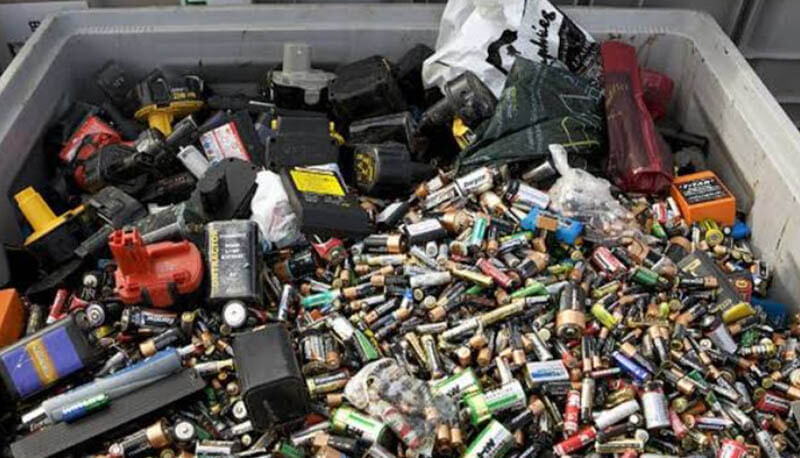
India is at an early but fast-growing stage of lithium-ion battery adoption. Electric two-wheelers, three-wheelers, and grid-scale battery storage projects are expanding quickly. This growth is generating a rising volume of end-of-life batteries and production scrap, which recyclers can turn into revenue.
India’s Rising Lithium-Ion Battery Waste Stream
Most lithium-ion batteries have a service life of 5 to 10 years. The first large wave of EV batteries sold in India is now approaching retirement. At the same time, battery manufacturing plants produce scrap from cell production, electrode coating, and pack assembly.
Government Policies and EPR Compliance
India’s Battery Waste Management Rules require producers to collect and recycle a minimum percentage of the batteries they place on the market. This Extended Producer Responsibility framework is creating a formal market for licensed recyclers.
Key Factors That Determine Profitability of Lithium Battery Recycling in India
Battery Chemistry and Metal Recovery Margins
Common chemistries include:
NMC (Nickel Manganese Cobalt) – high cobalt and nickel content, often the most profitable to recycle because recovered metals command high prices.
LFP (Lithium Iron Phosphate) – contains no cobalt or nickel, so metal recovery value is lower. Profitability relies more on recovering lithium and selling iron phosphate by-products.
LCO (Lithium Cobalt Oxide) – common in consumer electronics, with high cobalt value but smaller, scattered feedstock volumes.
Recyclers who can secure a steady stream of NMC or LCO batteries generally earn higher margins than those handling mostly LFP cells.
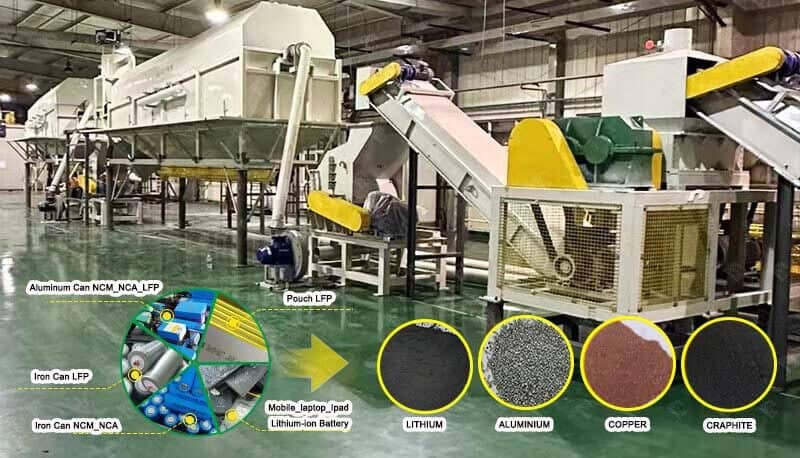
Technology Choice and Recovery Rates
The recycling method has a direct impact on profitability:
- Pyrometallurgy – high-temperature smelting. It is simple and robust but recovers only a portion of metals and loses lithium to slag. Energy costs are high.
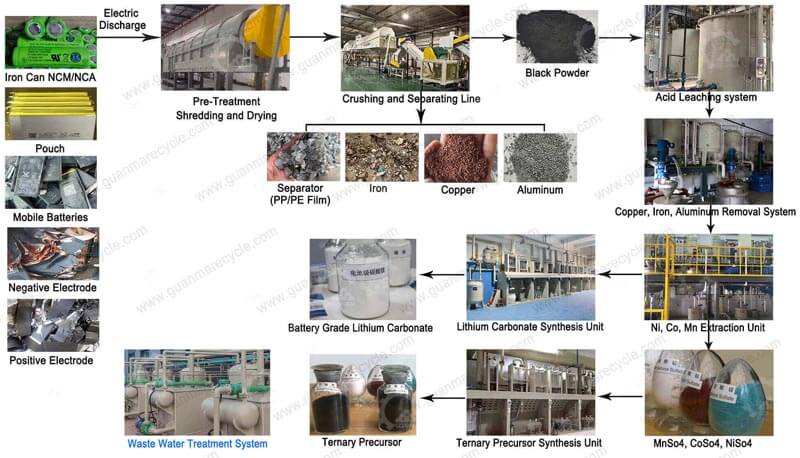
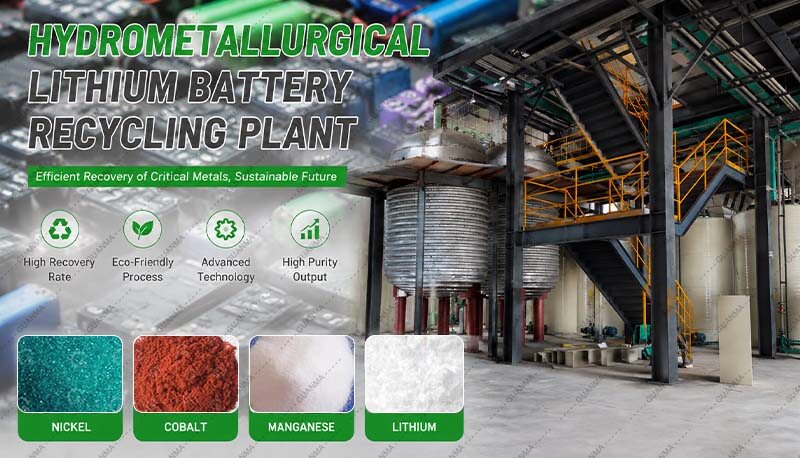
- Hydrometallurgy – chemical leaching and precipitation. It can recover lithium, cobalt, nickel, and manganese at high purity, but requires chemical handling, wastewater treatment, and larger capital investment.
- Direct recycling – preserves cathode material for reuse. It is promising but still emerging at commercial scale in India.
Higher recovery rates usually translate into higher revenue per ton of black mass. However, more advanced technology also means higher CapEx and more complex operations.
Plant Scale and Operating Costs
A small pilot plant may have lower upfront costs but higher cost per kilogram processed. Larger plants can achieve economies of scale, but they require a reliable supply of batteries to stay profitable.
Black Mass Pricing
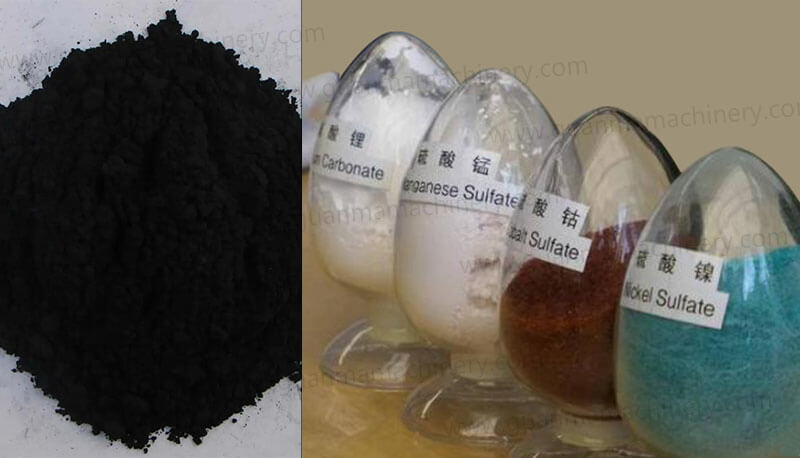
Black mass — a powder containing crushed and processed battery active materials — and sell it to domestic or hydrometallurgical lithium battery recycling plant. Profitability then depends on black mass grade and the price negotiated with buyers.
Business Models for Profitable Lithium Battery Recycling in India
If you are evaluating whether lithium battery recycling can be profitable in India, choosing the right business model is essential.
Collection and Sorting Hub
This model focuses on collecting end-of-life batteries, testing them, and sorting by chemistry. The hub sells sorted batteries or shredded material to larger recyclers.
Black Mass Production
Here, the recycler mechanically processes batteries through lithium battery recycling machine to produce black mass.
Full Hydrometallurgical Refining
Black Mass Hydrometallurgy Plant produces battery-grade lithium carbonate, cobalt sulfate, nickel sulfate, and manganese sulfate. Full refining allows you to sell directly to battery cathode manufacturers, often at premium prices.
Partnership with EV OEMs and Battery Manufacturers
Securing exclusive or preferred supplier agreements with electric vehicle makers, battery pack assemblers, or energy storage companies gives you a steady pipeline of production scrap and end-of-life packs.
How to Evaluate Whether Your Lithium Battery Recycling Business Can Be Profitable in India
Before investing, conduct a structured feasibility study.
Map your feedstock supply – Identify battery sources within a defined radius: EV service centers, battery manufacturers, importers, e-waste aggregators, and telecom tower companies.
Calculate cost per ton – Include collection, transportation, storage, labor, utilities, and regulatory compliance.
Estimate recovery rates – Test your technology on representative battery samples to know how much lithium, cobalt, nickel, and manganese you can actually recover.
Check black mass market prices – Talk to domestic and international refiners to understand current and projected prices.
Secure long-term purchase agreements – Try to lock in buyers for your black mass or refined salts before scaling up.
Apply for government incentives – Some Indian states offer capital subsidies, tax benefits, or land allotments for recycling and clean technology projects.
Is Lithium Battery Recycling a Sustainable Profit Opportunity?
Yes, for well-planned operations, lithium battery recycling in India can become a sustainable and profitable business.
📩 Get Your Free Quote Today
Contact us today to discuss your project, capacity requirements, and target materials. Our team will reply within 24 hours with a customized proposal. You can also reach us directly at [email protected] — we are here to help!