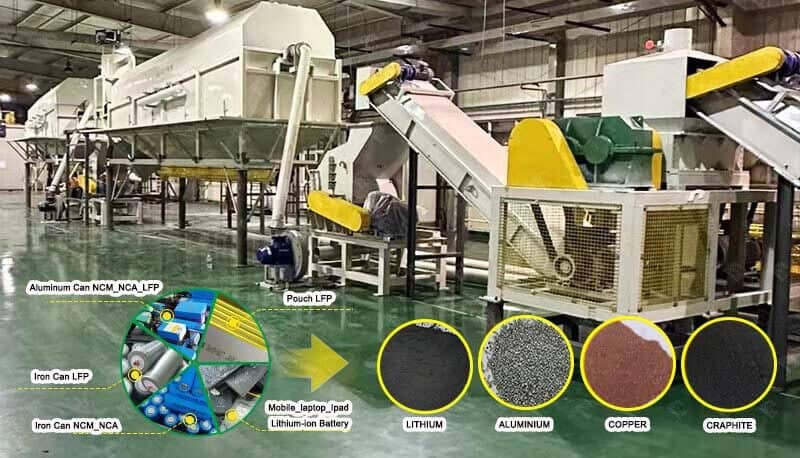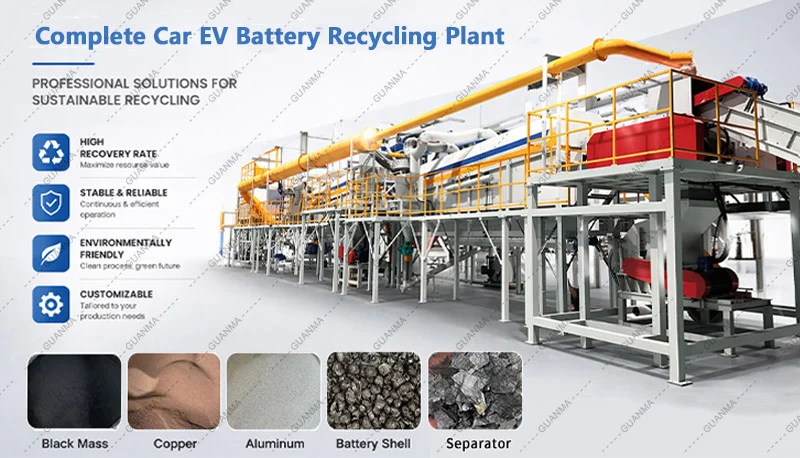
The black mass recycling process is the industrial method used to convert spent lithium-ion batteries into black mass—a concentrated powder containing lithium, nickel, cobalt, manganese, copper, aluminum, and graphite.
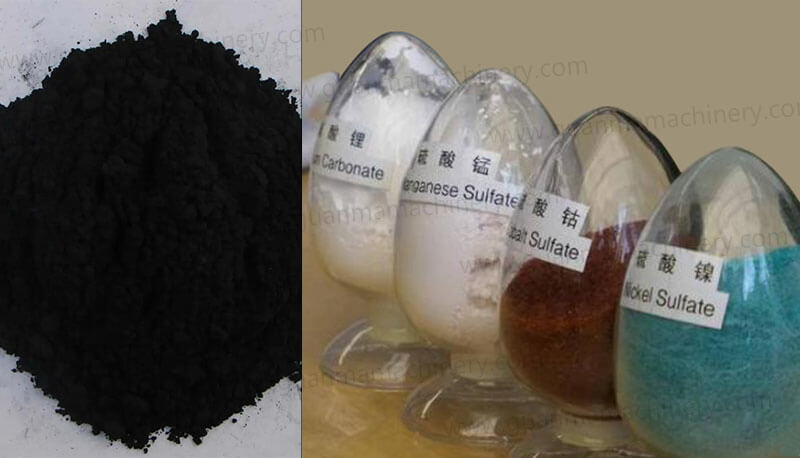
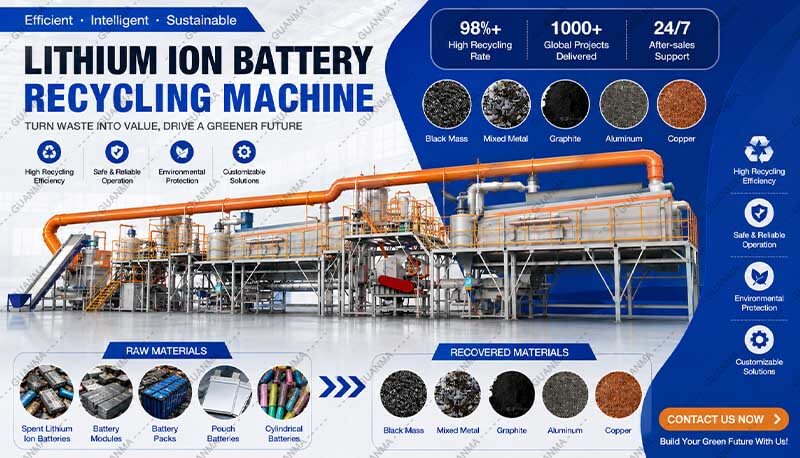
It usually includes safe collection, sorting, discharging, dismantling, battery crushing, material separation, black mass recovery, and pollution control, all integrated into a customized lithium battery recycling line.
What Is Black Mass and Why Is It Valuable?
Black mass is an intermediate product, not refined metal. Black mass is produced by mechanically processing spent lithium batteries. It is not pure lithium, cobalt, or nickel. Instead, it is a mixed concentrate sold to hydrometallurgical or pyrometallurgical refiners for further extraction.
Value depends on battery chemistry
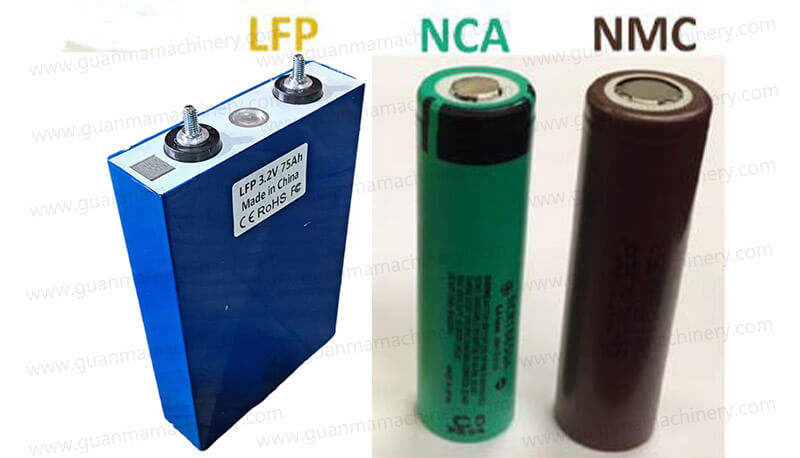
NMC/NCA batteries: high nickel and cobalt content, usually higher black mass value.
LFP batteries: lower cobalt/nickel value but rich in lithium and graphite.
LCO batteries: high cobalt content, attractive for cobalt recovery.
Mixed feedstock: requires careful sorting and stable process control.
From Spent Batteries to Black Mass: The Black Mass Recycling Process Step by Step
1. Safe Discharging
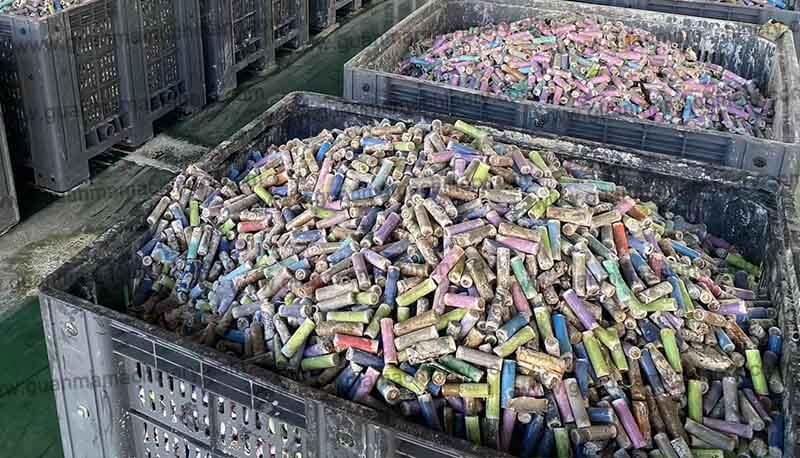
Safe discharging reduces residual voltage before battery crushing. Depending on the line design, this can be done through controlled discharge, saltwater discharge, or other stabilization methods.
2. Dismantling and Pretreatment
Battery packs and modules are dismantled to remove casings, cables, BMS boards, connectors, and large plastic parts.
3. Battery Crushing
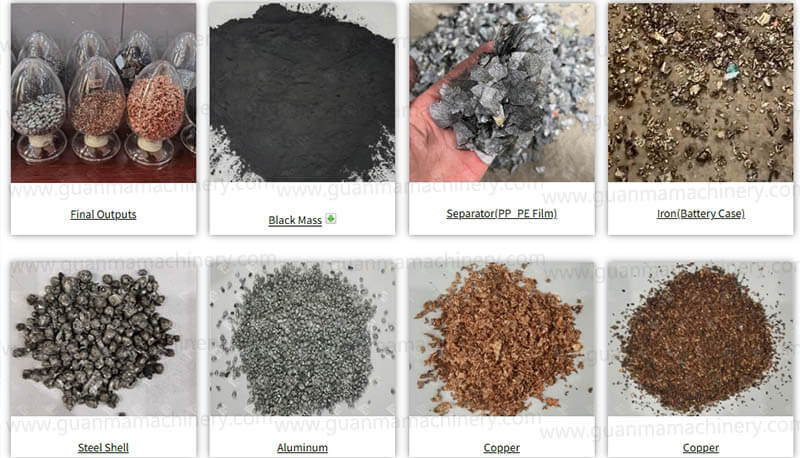
Battery crushing is the heart of black mass production. In a modern lithium battery recycling line, crushing usually happens in a controlled, inert atmosphere—often using nitrogen—to prevent fire and explosion. The output is a mixed stream of black mass, copper foil, aluminum foil, plastic, and steel.
4. Material Separation: Copper, Aluminum, Plastic, and Black Mass
Material separation determines black mass purity and your selling price. The goal is to recover clean copper and aluminum fractions while concentrating lithium, nickel, cobalt, manganese, and graphite into black mass.
5. Black Mass Recovery and Upgrading
For higher-value applications, black mass can be further upgraded through thermal treatment or chemical processing. However, for most mechanical recyclers, the target is a consistent black mass with low copper, aluminum, plastic, and moisture content.
6. Dust, Gas, and Wastewater Control
Battery recycling generates dust, VOCs, electrolyte residues, and possibly fluoride compounds. A complete lithium battery recycling production line should be equipped with equipment for controlling dust, exhaust gas, and wastewater.
Battery Recycling Plant Layout and Capacity Options
A lithium battery recycling line can be customized for different capacities:
- 500 kg/h pilot or small-scale lithium battery recycling machine.
- 1–2 t/h commercial lithium battery recycling plant.
- 3–5 t/h industrial lithium battery recycling line.
Your choice depends on feedstock type, available space, labor cost, target purity, and local permits.
How to Choose the Right Lithium Battery Recycling Line
Ask these questions before buying:
- What battery chemistries will you process?
- What is your required black mass purity?
- Do you need copper and aluminum separation?
- What are your emission and noise limits?
- How much automation do you need?
- Does the supplier offer installation, training, and spare parts?
A good supplier should test your feedstock and recommend a process—not just sell a machine.
Get a Custom Black Mass Recycling Solution
Ready to turn spent batteries into a stable black mass revenue stream? Contact Guanma Machinery today for a free feedstock assessment, process design, and quotation.
📩 Get Your Free Quote Today
Contact us today to discuss your project, capacity requirements, and target materials. Our team will reply within 24 hours with a customized proposal. You can also reach us directly at [email protected] — we are here to help!