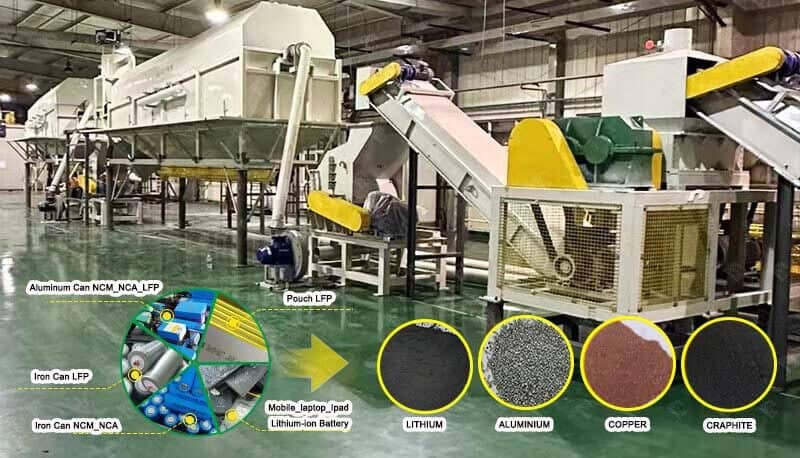
A Complete Car EV Battery Recycling Plant processes used and end-of-life automotive lithium-ion batteries and recovers valuable materials—especially Lithium, Nickel, Cobalt and Graphite—along with other recoverable materials such as Copper, Aluminium and Manganese.
What Is a Complete Car EV Battery Recycling Plant?
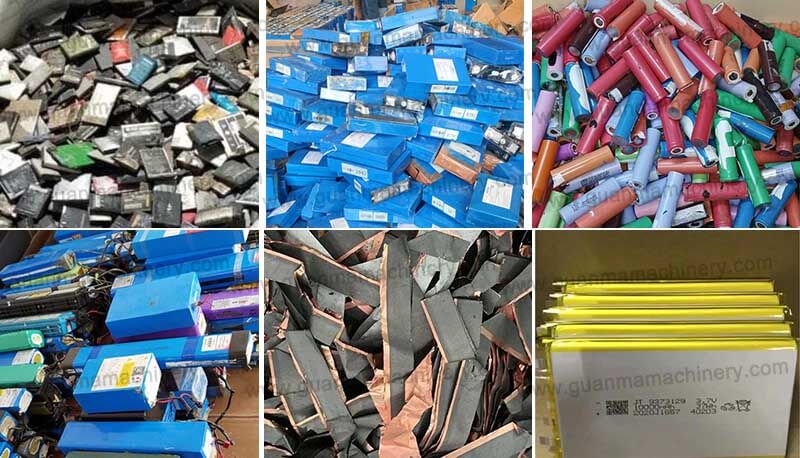
A Complete Car EV Battery Recycling Plant is not just a single Car EV Battery Recycling Machine. It is an integrated battery recycling system designed for end-of-life automotive lithium-ion batteries. It combines mechanical pre-treatment, black mass production, hydrometallurgical purification and refining, and final product recovery.
Built for End-of-Life Automotive Lithium-Ion Batteries
The plant is suitable for used Car/EV lithium-ion batteries, including:
- NMC batteries
- NCA batteries
- LFP batteries
- Mixed automotive battery packs and modules
LFP batteries are rich in lithium, graphite and iron phosphate, while NMC and NCA batteries contain higher values of nickel, cobalt and manganese. A complete plant can be configured around your actual feedstock mix.
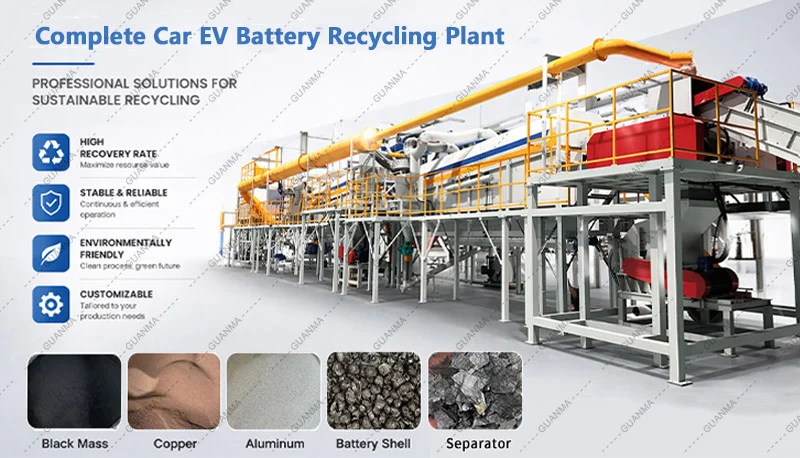
A Complete Lithium Battery Recycling Solution
The value of a Complete Battery Recycling Plant is integration. You reduce material handling, improve safety, increase recovery efficiency, and produce cleaner saleable products. The complete process flow is:
Battery Receiving & Discharging → Dismantling → Shredding/Mechanical Separation → Black Mass Production → Leaching & Hydrometallurgy → Separation & Purification → Final Recovery of Critical Minerals
Car EV Battery Recycling Plant Process Flow
A complete lithium-ion recycling process flow combines mechanical and hydrometallurgical technology. Each stage solves a specific problem: safe handling, material liberation, black mass concentration, metal separation, and final product purity.
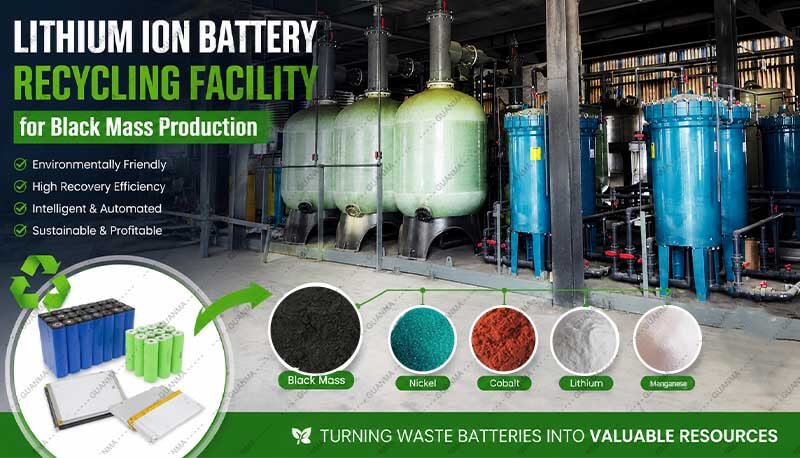
1. Battery Receiving & Discharging
Used EV batteries arrive with different states of charge, damage levels and pack designs. The plant includes receiving, inspection, sorting, insulation testing and controlled discharging. Safe discharging reduces fire and thermal runaway risks before dismantling.
2. Dismantling
Battery packs are opened, and modules, busbars, wiring harnesses, BMS components, cables and housings are removed. Aluminium and copper fractions can be separated early.
3. Shredding / Mechanical Separation
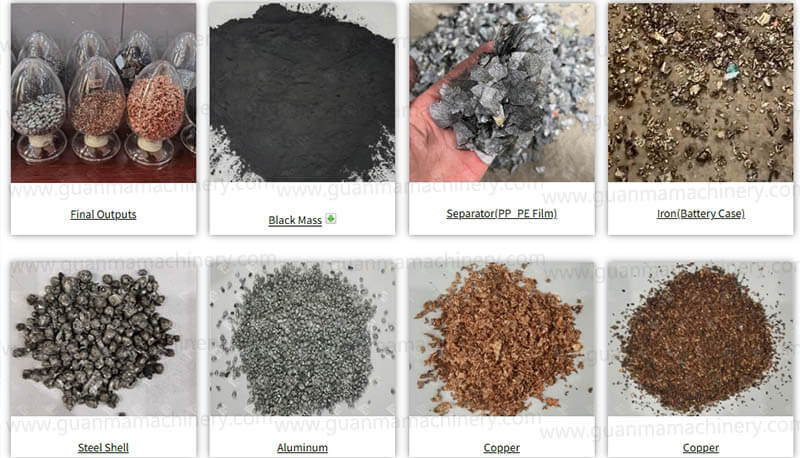
The dismantled modules and cells go through shredding and mechanical separation. Separate iron, copper, aluminium, plastics and other materials. The remaining fine fraction becomes black mass feedstock.
4. Black Mass Production
Black mass production is a core part of the plant. After fine crushing, sieving and separation, you obtain black mass containing lithium, nickel, cobalt, manganese and graphite.
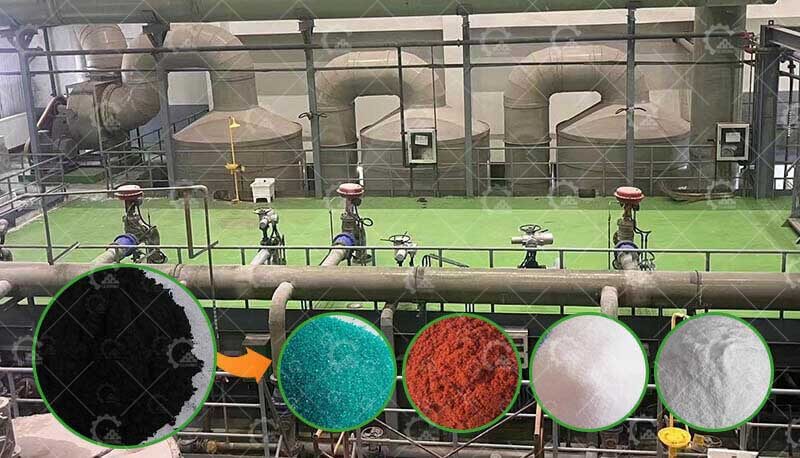
5. Leaching & Hydrometallurgy
The black mass enters the hydrometallurgical leaching section. Using acid leaching and selective chemistry, valuable metals are dissolved into solution. Impurities are removed, and the solution is prepared for separation.
6. Separation & Purification
The purification/separation section uses solvent extraction, ion exchange, precipitation, filtration and crystallization. Nickel, cobalt, manganese and lithium are separated into high-purity streams. Graphite is also recovered and purified.
7. Final Recovery of Critical Minerals
The final product recovery/refining section produces saleable lithium, nickel, cobalt and graphite products. Copper, aluminium and manganese are also recovered as separate fractions.
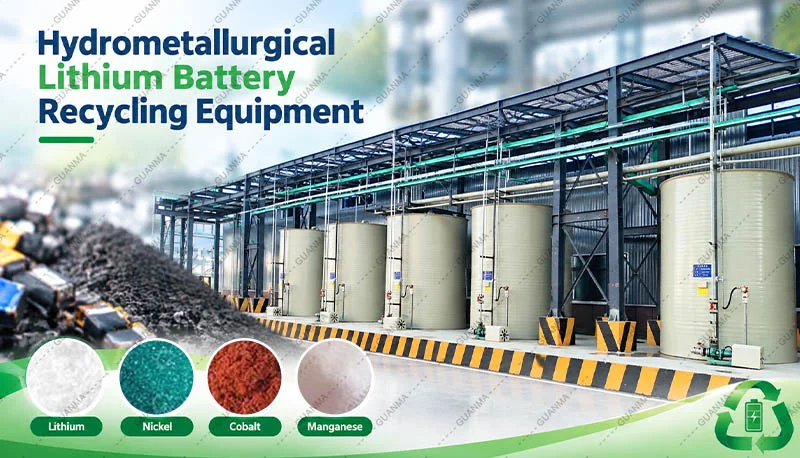
Core Sections of a Lithium Battery Recycling Machine
A well-designed plant is modular but fully integrated. The main sections include:
Mechanical / Pre-treatment Section
Receiving, discharging, dismantling, shredding, magnetic separation, eddy current separation, sieving and dust collection.
Black Mass Production Section
Fine crushing, classification, separation and collection of black mass with controlled atmosphere and safety systems.
Hydrometallurgical Leaching Section
Leaching reactors, reagent dosing, filtration, impurity removal and solution preparation.
Purification / Separation Section
Solvent extraction, ion exchange, precipitation, washing, filtration and crystallization.
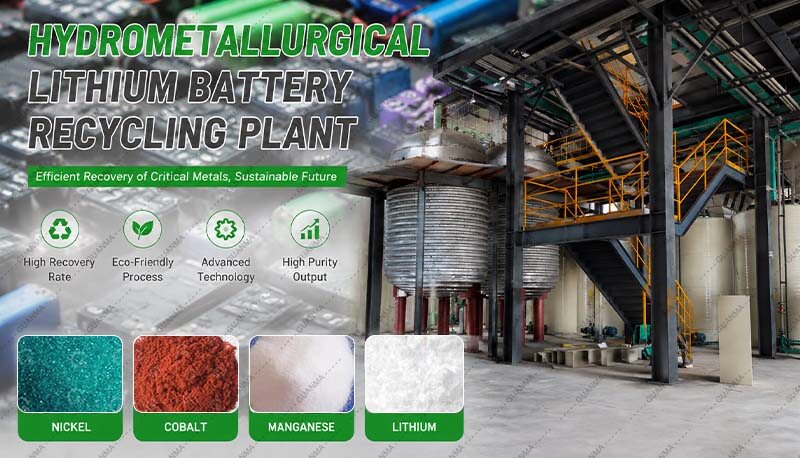
Final Product Recovery / Refining Section
Evaporation, crystallization, centrifugation, drying and packaging for lithium, nickel, cobalt, graphite and other products.
Car EV Battery Recycling Machine: Key Equipment
Complete Car EV Battery Recycling Plant integrates multiple equipment groups:
- Battery Discharging Equipment
- Battery Shredding and Dismantling Machine
- Temperature-Controlled Battery Heating Furnace
- Air Classifier and Screening System
- Inert Gas and Dust Collection System
- Black Mass Collection and Packaging Unit
- Leaching Reactors, Filter Presses, and Storage Tanks
- Mixer-Settlers, Centrifuges, Evaporators, and Crystallizers
- Drying Equipment, Packaging and Weighing Systems
Each machine is selected based on capacity, battery chemistry, input size and target output.
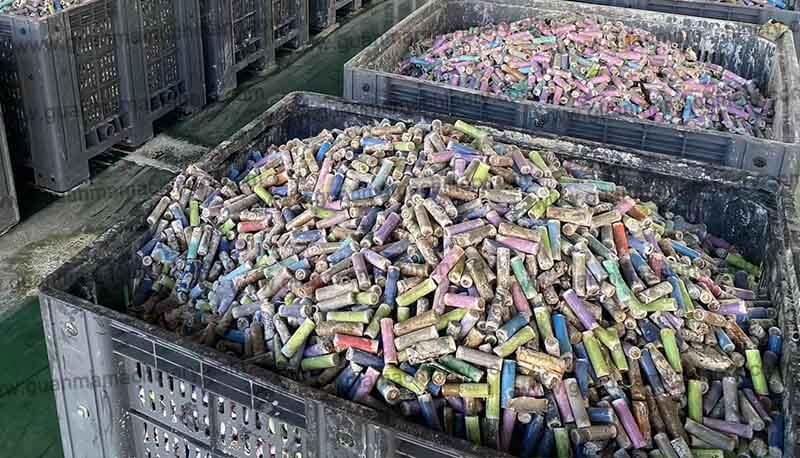
Applicable Battery Chemistries: NMC, NCA and LFP
The plant is suitable for used Car/EV lithium-ion batteries, including NMC, NCA and LFP. NMC and NCA feedstocks are usually prioritized for nickel, cobalt and manganese recovery. LFP feedstocks require a process design focused on lithium, graphite and iron phosphate recovery.
A flexible Car EV Battery Recycling Plant can process mixed feedstocks and adjust operating parameters for different black mass compositions.
Target Purity and Recovery Yield
The following targets are typical for a complete hydrometallurgical recycling plant. Actual results depend on feedstock, chemistry, plant design and operating conditions.
- Lithium product recovery rete > 90%
- Nickel product recovery rete > 98%
- Cobalt product recovery rete > 98%
- Manganese product recovery rete > 95%
- Iron product recovery rete > 95%
- Black mass product recovery rete > 99%
- Copper product recovery rete > 99%
- Aluminium product recovery rete > 99%
- Steel product recovery rete > 99%
If your goal is to sell black mass, the mechanical section is the priority. If your goal is to produce battery-grade materials, the hydrometallurgical purification and refining section is essential.
How to Choose the Right Car EV Battery Recycling Plant
From a buyer’s perspective, the right plant depends on your feedstock, capacity, output and local regulations. Ask these questions:
- What battery chemistries will you process: NMC, NCA, LFP or mixed?
- What is your daily input capacity in tons?
- Do you want to sell black mass or produce refined lithium, nickel, cobalt and graphite?
- What purity and recovery targets do you need?
- What are your local emission, wastewater and safety requirements?
- Is the plant modular for future expansion?
- Does the supplier provide installation, training, commissioning and spare parts?
A complete integrated recycling solution should solve safety, automation, dust control, acid handling, wastewater treatment and product consistency.
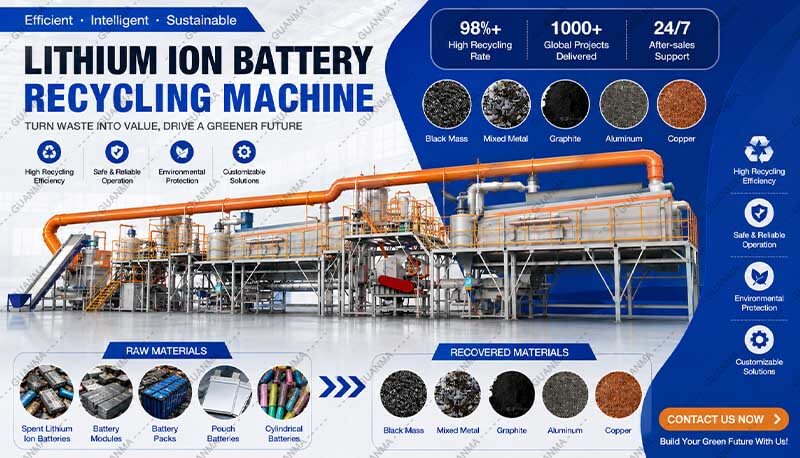
Request Your Complete Car EV Battery Recycling Plant Proposal
A Complete Car EV Battery Recycling Plant helps you turn end-of-life automotive lithium-ion batteries into valuable critical minerals. From battery receiving and discharging to final recovery of lithium, nickel, cobalt, graphite, copper, aluminium and manganese.
Contact Guanma Machinery team with your feedstock type, capacity target and output requirements to receive a customized Car EV Battery Recycling Plant proposal.
📩 Get Your Free Quote Today
Contact us today to discuss your project, capacity requirements, and target materials. Our team will reply within 24 hours with a customized proposal. You can also reach us directly at [email protected] — we are here to help!