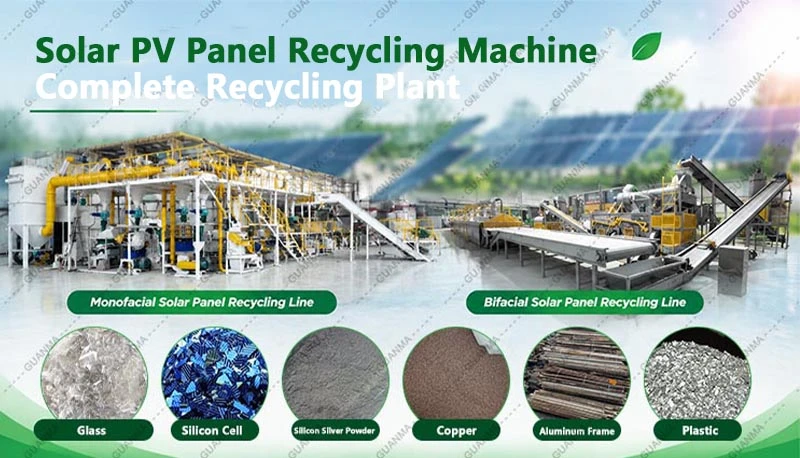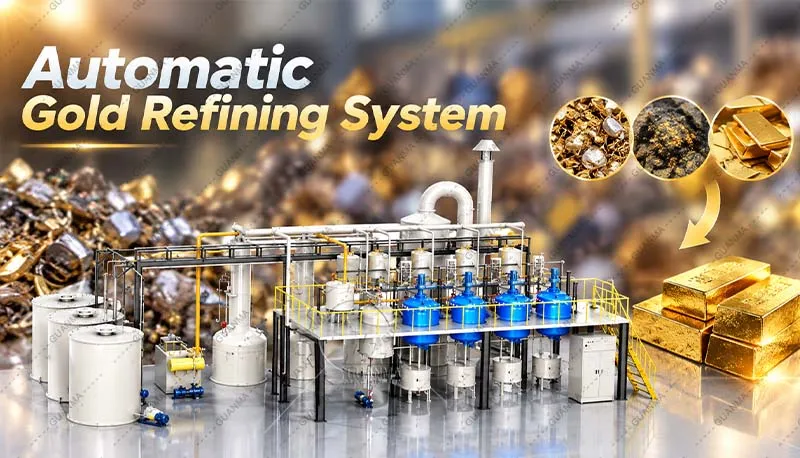
A black mass recycling plant stands at the forefront of this transformation, offering a sustainable solution to handle end-of-life batteries. understand how to turn battery waste into a lucrative resource.
What Is a Black Mass Recycling Plant and Why Is It Essential?
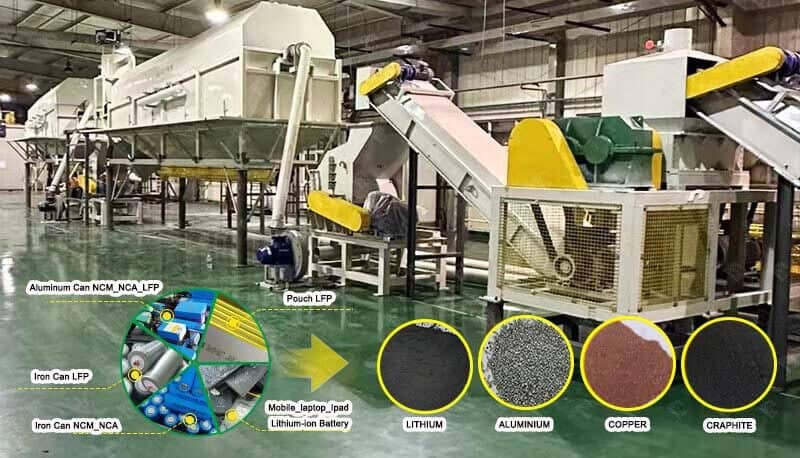
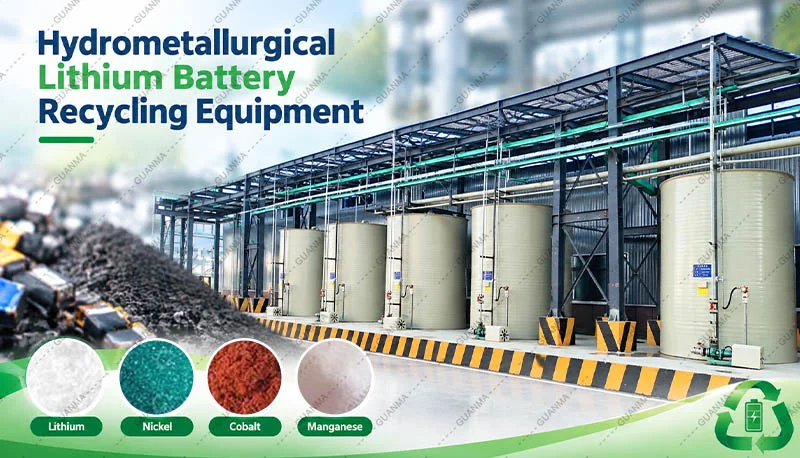
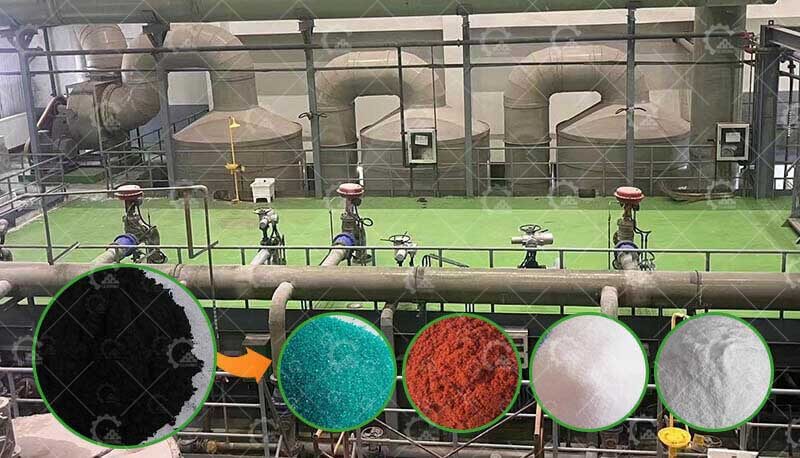
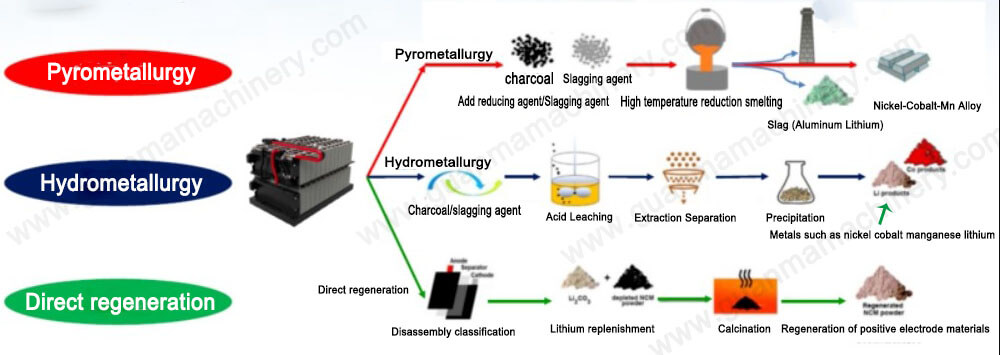
A black mass recycling plant is a specialized facility designed to process spent lithium-ion batteries and other energy storage devices. The term “black mass” refers to the shredded, intermediate product rich in valuable metals like cobalt, nickel, lithium, and manganese. Unlike traditional disposal methods, which can harm the environment, these plants use advanced hydrometallurgical or pyrometallurgical techniques to extract and purify these materials.
How Does a Black Mass Recycling Plant Work?
Collection and Sorting
Batteries are gathered from sources like EVs, consumer electronics, and industrial storage. Advanced sorting technologies (e.g., automated shredders and sensors) separate batteries by chemistry and size to optimize recovery rates.
Discharge and Dismantling
Residual energy is safely discharged to prevent hazards. Manual or robotic dismantling removes casings and components.
Shredding and Black Mass Production
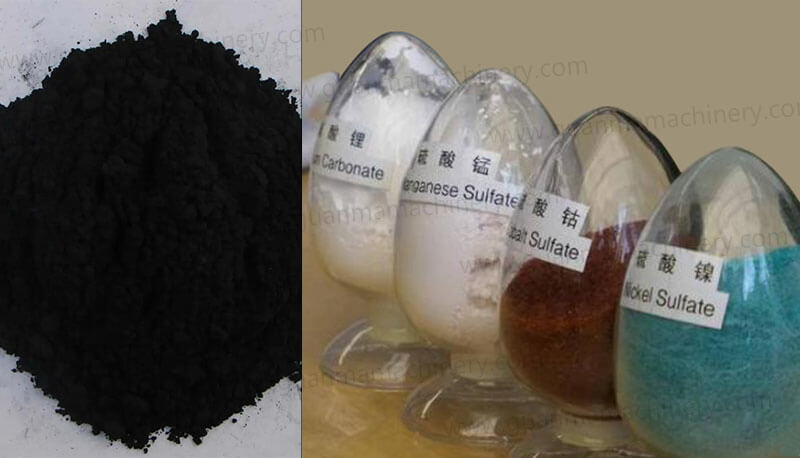
Batteries are shredded into a homogeneous mixture—the “black mass”—which contains a mix of metals, plastics, and electrolytes.
Separation and Purification
Using methods like leaching, solvent extraction, or electrochemical processes, valuable metals are isolated. For instance, hydrometallurgy recovers up to 95% of cobalt and lithium, while pyrometallurgy handles high-temperature smelting.
Refining and Reintegration
Purified metals are refined to battery-grade standards and sold to manufacturers for new battery production.
This process not only minimizes landfill waste but also reduces carbon emissions by up to 50% compared to virgin mining.
Key Benefits of Investing in a Black Mass Recycling Plant
Why should your business prioritize this technology? Here’s an in-depth look at the advantages:
Economic Gains
Recovered metals can generate significant revenue—cobalt alone can fetch over $50,000 per ton. Additionally, governments often offer subsidies for green initiatives, improving ROI.
Environmental Impact
By closing the loop on battery life cycles, you reduce toxic waste and conserve natural resources. This aligns with global trends like the EU’s Battery Directive and corporate ESG goals.
Competitive Edge
Companies adopting circular economy models often see enhanced brand reputation and customer loyalty.
For those searching for “sustainable black mass recycling solutions” or “cost-effective battery recycling methods,” this approach addresses both profitability and planetary health.
Ready to take the next step? Contact Guanma Machinery tailored solutions to launch your plant efficiently.
📩 Get Your Free Quote Today
Contact us today to discuss your project, capacity requirements, and target materials. Our team will reply within 24 hours with a customized proposal. You can also reach us directly at [email protected] — we are here to help!