LFP (lithium iron phosphate) and NMC (nickel manganese cobalt)—each arriving from distinct EV and consumer electronics waste streams. Set up a lithium-ion battery recycling facility that handles both is how you future-proof your investment.
Understanding your feedstock: LFP vs NMC chemistries
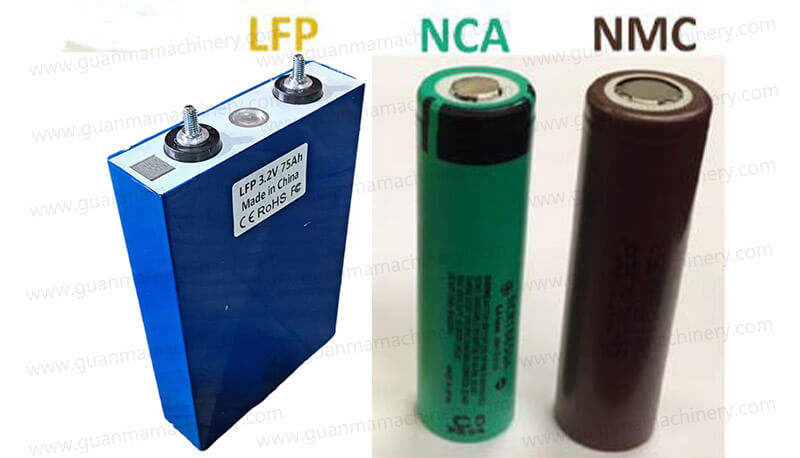
NMC batteries from EV packs, e-bikes, and power tools contain high-value cobalt and nickel. Recovering those metals directly improves your lithium battery recycling plant profitability.
Core steps to set up a lithium-ion battery recycling facility
1. Feasibility study and battery recycling business plan
How many tons of end-of-life EV batteries and consumer electronic scrap can you realistically secure? Project your battery recycling plant cost against realistic black mass sales or metal off-take agreements. A razor-sharp plan separates profitable operations from stranded assets.
2. Permitting, safety, and site selection
Regulators will scrutinize your fire suppression, off-gas management, and wastewater treatment. Choose an industrial zone with robust grid power, easy logistics for EV battery transport, and room for a thermal runaway containment area.
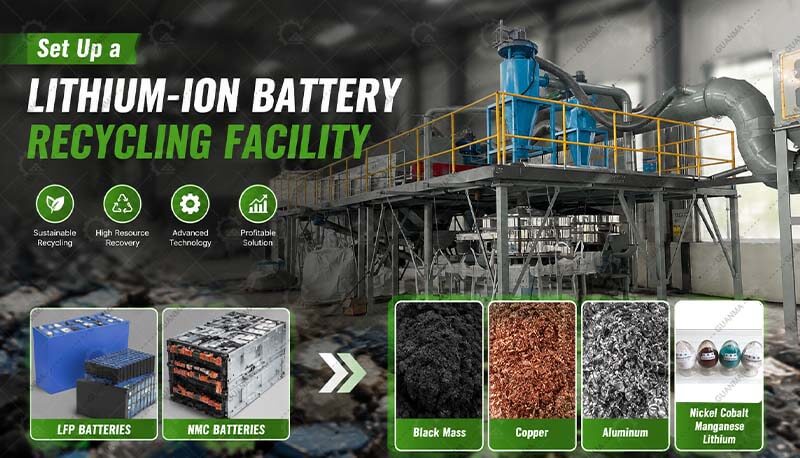
3. Choosing your core recycling technology
You have two primary paths, often combined:
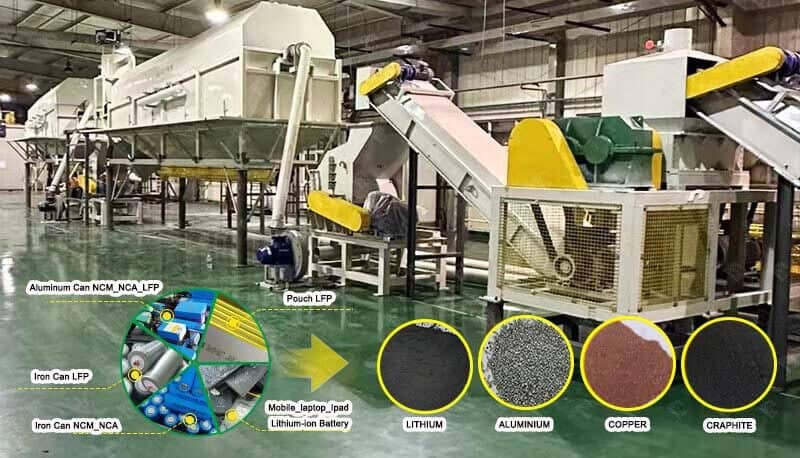
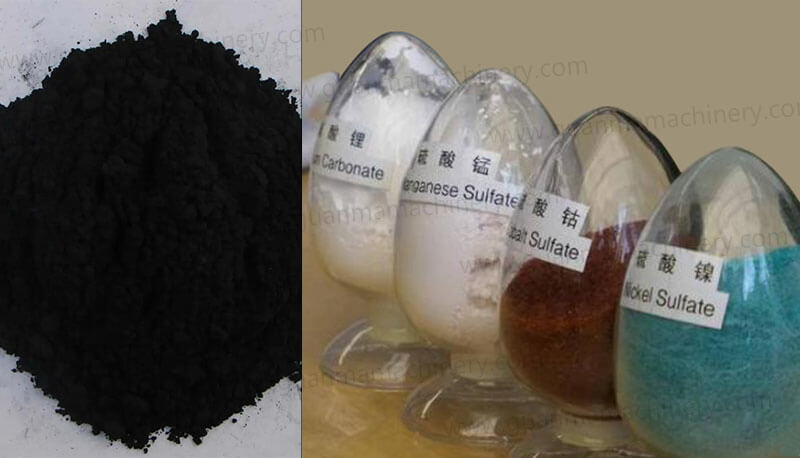
Mechanical shredding and separation: Safely discharge, then shred cells under inert atmosphere to produce “black mass” containing lithium, cobalt, nickel, manganese, and graphite.
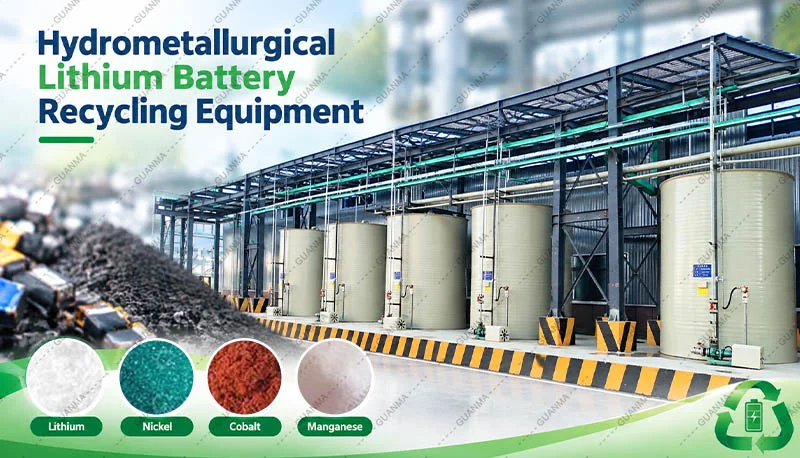
Hydrometallurgical refining: Leach the black mass and selectively recover battery-grade metal salts. For NMC, this is the high-revenue route. For LFP, newer direct regeneration or lithium-selective leaching processes are emerging.
Sourcing the right lithium-ion battery recycling machine
Not all lithium battery recycling lines handle LFP and NMC simultaneously. Ask vendors for proven performance data on mixed feedstock from real EV and consumer electronics streams. Key modules must include:
Discharge and pre-crushing stations safe for swollen or damaged cells.
Inert shredding and drying systems that preserve black mass quality.
Advanced separation trains to isolate copper, aluminum, and active materials.
Hydrometallurgical plant cells for LFP-tailored lithium recovery, avoiding expensive and wasteful phosphate removal steps.
Managing LFP and NMC waste streams profitably
NMC battery recycling usually drives early cash flow. The contained cobalt and nickel can offset high initial lithium-ion battery recycling plant cost. With LFP, profit pools sit in volume, not metal value. That’s why successful operators build parallel lines: LFP black mass hydrometallurgy equipment focused on lithium and graphite recovery, and NMC lithium battery extraction equipment targeting full cathode metal extraction.
Ready to Launch Your Lithium-Ion Battery Recycling Facility?
When you set up a lithium-ion battery recycling facility engineered for both LFP and NMC chemistries, If you need equipment specifications, a tailored layout, Guanma Machinery team is ready to help you move from concept to commissioning.
📩 Get Your Free Quote Today
Contact us today to discuss your project, capacity requirements, and target materials. Our team will reply within 24 hours with a customized proposal. You can also reach us directly at [email protected] — we are here to help!