The lead ore smelting process is a critical pyrometallurgical operation that transforms raw lead ore, primarily galena (PbS), into usable metallic lead.
From Rock to Metal
Step 1: Preparing the Ore Feedstock
Before smelting can begin, the mined ore must be prepared. This initial stage is crucial for an efficient and controlled lead ore smelting process.
Communition (Crushing and Grinding): The raw ore is first crushed and then ground into a fine powder. This increases the surface area of the ore particles, making the subsequent chemical reactions more effective and uniform.
Beneficiation (Concentration): The ground ore undergoes beneficiation, most commonly through froth flotation. This process separates the valuable galena from worthless gangue minerals.

The Two Primary Smelting Pathways
There are two main industrial methods for smelting lead concentrate: the traditional Sinter Plant-Blast Furnace route and the more modern Direct Smelting process.
Method 1: The Conventional Sinter Plant-Blast Furnace Route
Sintering: The lead concentrate is mixed with fluxes (like limestone and silica) and recycled fine materials. This mixture is fed onto a continuous sinter strand and ignited.
Blast Furnace Smelting: The lead sinter is charged into the top of a blast furnace along with coke (as a fuel and reducing agent) and fluxes. Hot air is blasted into the bottom of the furnace. As the charge descends, a series of complex reduction reactions occur. The coke carbon (C) reacts with the lead oxide (PbO) in the sinter, reducing it to molten metallic lead. The impurities form a molten slag layer on top of the lead. Due to density differences, the heavy lead settles at the bottom and is tapped off, producing crude lead (or bullion lead) containing impurities like copper, silver, and arsenic.

Method 2: Modern Direct Smelting Technologies
Direct smelting processes are more efficient and environmentally friendly, combining sintering and smelting into a single unit.
How it Works: In these processes, the moist lead concentrate is injected directly into a fiercely hot reaction chamber along with oxygen and fluxes. The sulfur is instantly oxidized, providing much of the required heat, and the lead is simultaneously reduced.
From Crude Lead to Refined Metal
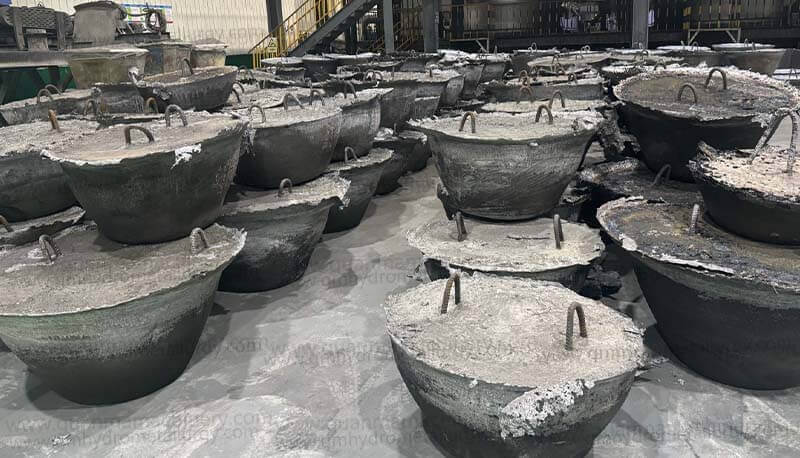
The output of both smelting methods is crude lead. This is not the final product. It must undergo refining to remove impurities like copper, tin, arsenic, antimony, and most importantly, to recover valuable by-products like silver and gold. Refining is typically done through pyrometallurgical or electrolytic methods.
Key Considerations for Choosing a Smelting Process
When sourcing technology or setting up a plant, consider these factors:
Scale of Operation: Blast furnaces are well-suited for large-scale, continuous production. Some direct smelting technologies can be more flexible.
Environmental Regulations: Direct smelting processes often have a clear advantage in meeting strict emissions standards.
Ore Composition: The type and level of impurities can influence the choice of technology and fluxing strategy.
By-Product Recovery: The efficiency of silver and gold recovery is a critical economic factor.
Partnering for Smelting Success
Understanding the intricacies of the lead ore smelting process is the first step toward making informed decisions for your metallurgical operations. Whether you are evaluating a reliable lead smelting technology supplier or seeking to optimize an existing plant, the choice of process impacts everything from operational cost to environmental compliance.
📩 Get Your Free Quote Today
Contact us today to discuss your project, capacity requirements, and target materials. Our team will reply within 24 hours with a customized proposal. You can also reach us directly at [email protected] — we are here to help!