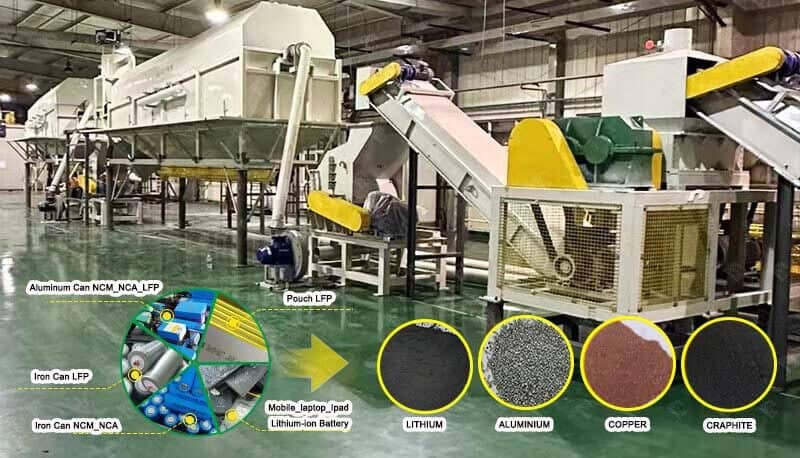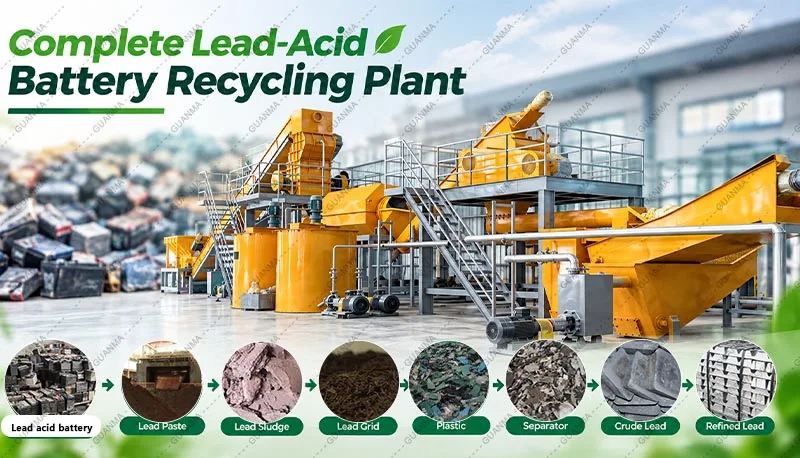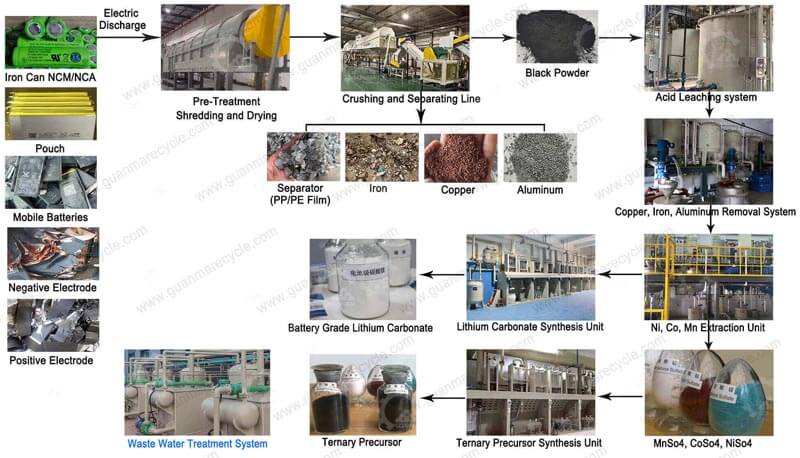
The burning question for anyone entering the lucrative lithium battery recycling market is: “What is the cost of a lithium battery recycling machine?” It’s the crucial first step in evaluating your investment. However, pinning down a single price tag is impossible – costs vary dramatically based on your specific needs and ambitions.
Why Lithium Battery Recycling Machine Costs Vary So Much?
Understanding these core cost drivers is essential:
1. Processing Capacity (kg/h or TPD)
This is the biggest factor. A small-scale unit processing 100kg per hour will cost significantly less than a full industrial plant handling 1-2 tons per hour or more. Define your target throughput realistically.
2. Level of Automation
Fully automated lines with robotic sorting, conveyor systems, and advanced control systems command premium prices compared to semi-automated or manual setups. Automation boosts efficiency and safety but increases upfront cost.
3. Technology & Recovery Rate
Basic crushing and separation systems are cheaper. Machines incorporating advanced hydrometallurgy or direct cathode recycling technologies to achieve higher purity and recovery rates (especially for cobalt, nickel, lithium) are far more expensive but offer superior returns on valuable materials.
4. Scope of the Solution
Core Equipment Only
Covers the essential machinery (shredder, crusher, separator, classifier, maybe pyrolysis).
Turnkey Plant
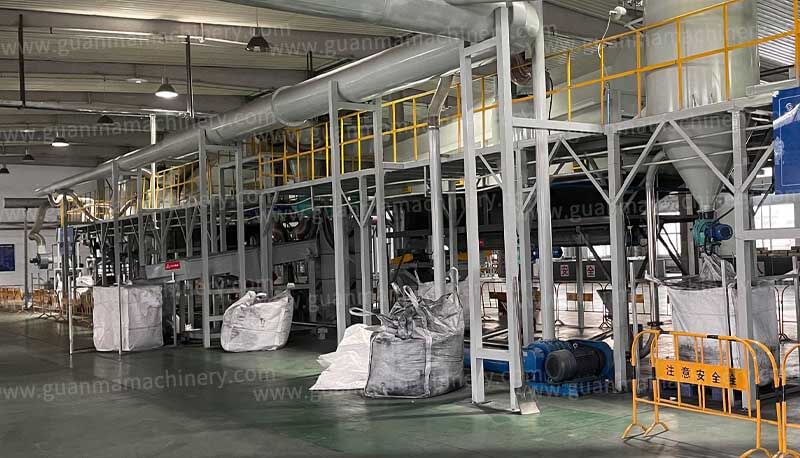
Includes core equipment plus auxiliary systems (dust collection, gas treatment, water treatment, PLC control room, fire suppression, installation) – this represents the total project cost.
5. Safety & Environmental Compliance
Meeting stringent international safety standards (ATEX for explosion risks) and emissions regulations requires specialized, certified equipment (like inert gas systems, advanced scrubbers), adding to the cost. Don’t cut corners here.
6. Feedstock Type
Machines optimized solely for consumer electronic batteries (small, relatively uniform) differ in complexity and cost from those designed to handle large, diverse, and potentially damaged EV battery packs requiring sophisticated dismantling and discharge systems.
7. Manufacturer & Origin
Established European or North American brands often carry higher price tags than some Asian suppliers, reflecting engineering standards, materials, and after-sales support. However, quality and reliability vary significantly within all regions. Thorough due diligence is critical.
8. Customization
Off-the-shelf solutions exist for standard needs, but customized lines designed for specific feedstock mixes or unique output requirements will increase costs.
Estimating the Investment Range
While exact figures require detailed consultation, here’s a realistic starting point framework:
Small Scale (Pilot/Lab, < 100 kg/h)
$50,000 – $250,000 USD (Often core equipment only, lower automation).
Medium Scale (100 – 500 kg/h)
$250,000 – $1,500,000+ USD (Core equipment moving towards semi-automated/turnkey solutions).
Industrial Scale (500 kg/h – 2+ T/h, Turnkey)
$1,500,000 – $10,000,000+ USD (Highly automated, comprehensive plants with full pollution controls and material refining).
Mega Plants (5+ T/h)
$10,000,000+ USD (Major investments involving multiple processing lines and advanced hydrometallurgy/pyrometallurgy).
Beyond the Machine: Considering Total ROI
While the lithium battery recycling machine cost is a major entry barrier, focus on the bigger picture – Return on Investment (ROI). Key factors impacting your profitability include:
Material Recovery Rates & Purity
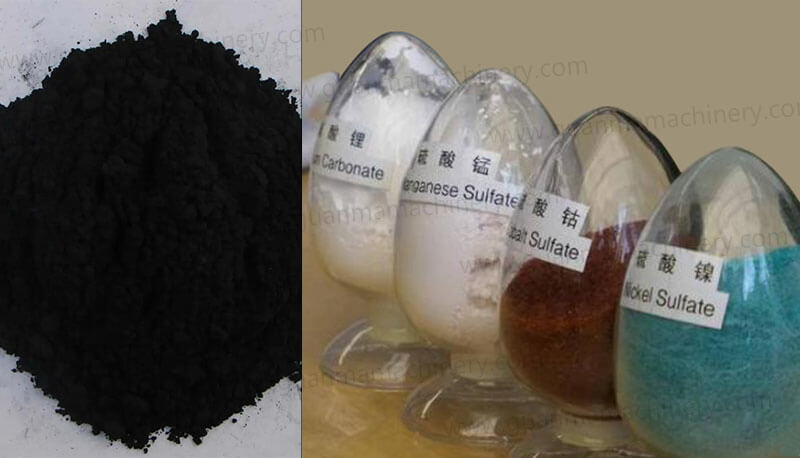
Higher-grade recovered materials (black mass, lithium carbonate, cobalt sulphate, nickel) command premium market prices. Invest in technology that maximizes yield and quality.
Operational Costs (OPEX)
Energy consumption, labor, maintenance, consumables, and compliance costs significantly impact long-term margins. Efficient, automated systems often lower OPEX over time.
Feedstock Acquisition Costs & Reliability
Securing a consistent, cost-effective supply of end-of-life batteries is fundamental.
Downstream Offtake Agreements
Pre-arranged contracts to sell your recovered materials provide revenue stability.
Finding the Right Solution for Your Budget
Define Your Business Plan
Be crystal clear on your target capacity, feedstock sources, desired end products, and market.
Prioritize Needs vs. Wants
Identify essential features (safety, core recovery rate) versus desirable upgrades (full automation) you might phase in later.
Get Detailed Quotes
Approach reputable lithium battery recycling equipment manufacturers and battery recycling plant suppliers. Request breakdowns for core equipment and full turnkey solutions.
Scrutinize Technology & Support
Don’t just compare prices. Evaluate the technology’s recovery efficiency, safety features, environmental compliance, and the supplier’s track record for installation, training, and spare parts.
Analyze Total Cost of Ownership (TCO)
Factor in installation, commissioning, energy use, maintenance, expected lifespan, and potential future upgrade costs.
Invest Smartly for a Sustainable Future
The cost of a lithium-ion battery recycling machine is a significant but necessary investment in the rapidly growing circular economy for critical battery materials. By thoroughly understanding the factors influencing lithium battery recycling plant cost and focusing on long-term efficiency, recovery rates, and ROI, you can make an informed decision.
📩 Get Your Free Quote Today
Contact us today to discuss your project, capacity requirements, and target materials. Our team will reply within 24 hours with a customized proposal. You can also reach us directly at [email protected] — we are here to help!