Investing in a lead batteries recycling line is a major decision. Turns a steady stream of used lead-acid batteries (ULABs) into pure lead, clean polypropylene, and a profitable, compliant operation.
Start with Your Plant’s Real Needs
Before comparing quotations, map out your own requirements. Not every lead acid battery recycling plant needs the same configuration.
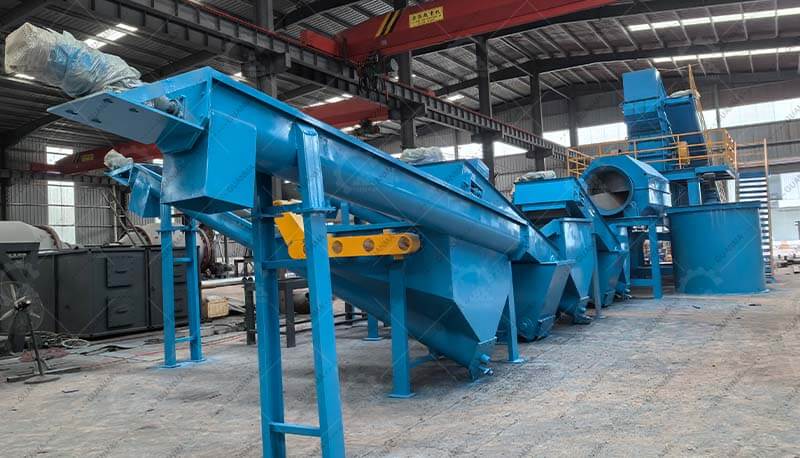
Feedstock type
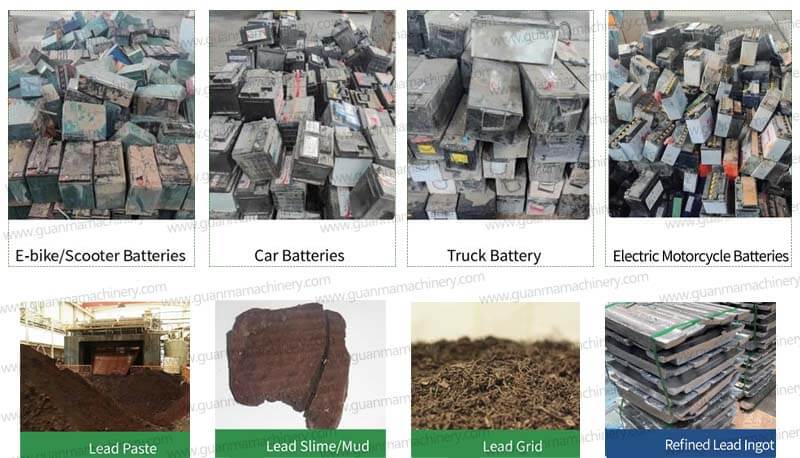
Are you processing whole automotive batteries, industrial forklift batteries, or a mix? Some lines handle both; others need a pre-sorting stage.
Desired output
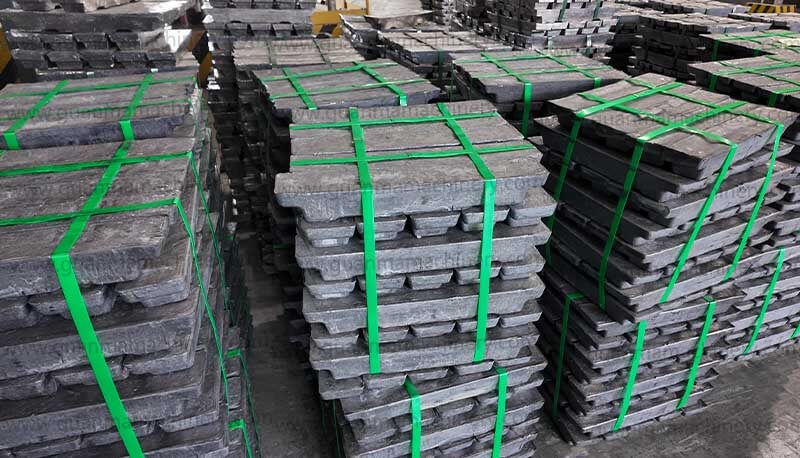
Do you want lead ingots, lead paste for desulfurization, or direct furnace-ready material? Your target product shapes the entire line.
Capacity (tons per hour or annual tons)
A 5 tph line designed for a single shift behaves very differently from a 10 tph continuous operation. Make sure the stated capacity refers to input of whole batteries, not just one component.
Local regulations
Emission limits for lead dust, SO₂, and wastewater vary by country. Your high-efficiency lead battery recycling line must meet, or better yet, exceed your region’s strictest rules from day one.
Knowing these parameters helps you avoid overpaying for features you don’t need — or buying a line that can’t scale with your business.
Understand the Core Components That Determine Real Efficiency
A modern lead batteries recycling line is not a single machine. It is an integrated system.
Battery Breaker and Separation System
This is the heart of any ULAB recycling line. The best setups use a hammer mill or slow-speed shredder followed by a sink-float separation tank. The key performance indicators here are:
Lead paste recovery rate
Lead battery recycling systems consistently achieve over 98% recovery of lead paste from battery grids, separators, and casing.
Cleanliness of separated fractions
The polypropylene (PP) chips should have less than 0.5% lead content by weight, and the metallic grid fraction should be clean enough to go directly to a melting kettle.
Acid drainage and collection
Look for a closed-loop acid neutralization or concentration system integrated right after the breaker.

Ask for a battery breaker and separation system that uses a multi-step washing and dynamic separation process — not just a static sink-float tank.
Lead Paste Desulfurization
Lead paste desulfurization unit converts PbSO₄ in the paste to PbCO₃, reducing the melting temperature and sulfur gas release.
Smelting and Refining Technology
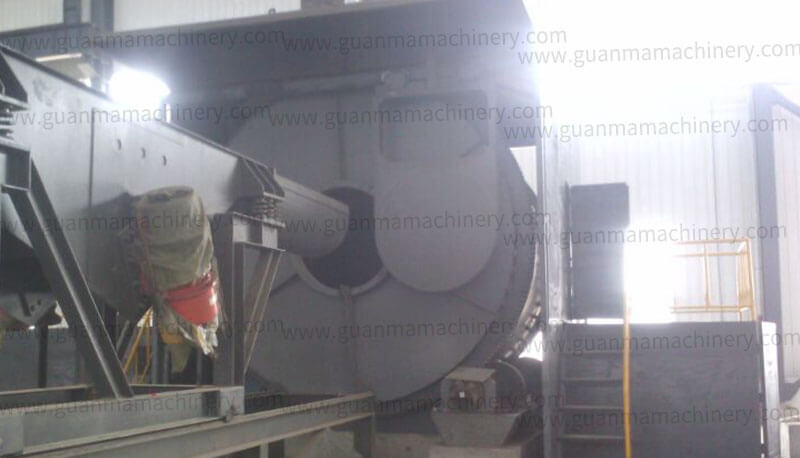
Rotary furnaces
High flexibility for mixed feed, but higher energy consumption.
Top-blown rotary converters
Ideal for large-scale, continuous operations with excellent energy efficiency.
Electric arc or tilting rotary furnaces
Often paired with a paste desulfurization unit for a low-emission, high-recovery loop.
A high-efficiency lead battery recycling line today usually combines a low-temperature rotary furnace or an energy-efficient bath smelting furnace with a robust flue gas treatment system.
Plastic Recovery and Reuse
A properly designed separation and washing module recovers clean PP chips that you can sell directly to compounders or use to make new battery cases.
Integrated Effluent and Emission Control
Baghouse filters with PTFE membrane for lead dust (stack emissions < 1 mg/Nm³)
Flue gas desulfurization (wet scrubber or dry sorbent injection) to keep SO₂ well under limits
Closed water loop with chemical treatment and reuse so there is zero liquid discharge
An environmentally sound design is no longer optional — it is what makes your environmental battery recycling solutions bankable and socially acceptable.
Modularity Lead Batteries Recycling Line
PLC-based automatic control with remote monitoring and data logging
Automated dosing in the desulfurization and furnace stages for consistent product quality
Modular layout that allows you to add capacity later by installing additional breakers or a second furnace without a full rebuild
A turnkey lead battery recycling solution provider should be able to offer 3D layout planning and show you exactly how the line can expand.
How to Choose a Reliable Lead Battery Recycling Machine Supplier?
Can you provide a process flow diagram with a mass balance? This proves they understand your specific battery mix and output goals.
What are the guaranteed utility and consumable consumption figures? (Power, water, natural gas, soda ash, filter bags per ton of batteries)
Do you manufacture the critical components in-house? Breaker, separation system, and emission control equipment should be their core engineering, not outsourced.
What is the scope of after-sales service? Training, on-site commissioning for at least two weeks, spare parts availability, and local service engineer presence matter enormously.
Planning to Start a Lead-Acid Battery Recycling Business?
If you are ready to compare specific high-efficiency lead battery recycling line configurations tailored to your capacity and local regulations, Contact guanma machinery today to schedule a free consultation and plant layout proposal.
📩 Get Your Free Quote Today
Contact us today to discuss your project, capacity requirements, and target materials. Our team will reply within 24 hours with a customized proposal. You can also reach us directly at [email protected] — we are here to help!