What Is a Lead Acid Battery Recycling Machine?
A lead acid battery recycling machine is an industrial system designed to safely dismantle, crush, separate, and recover valuable materials from used lead acid batteries.
These machines typically recover:
- Lead
- Lead paste
- Plastic
- Electrolyte
- Sulfuric acid
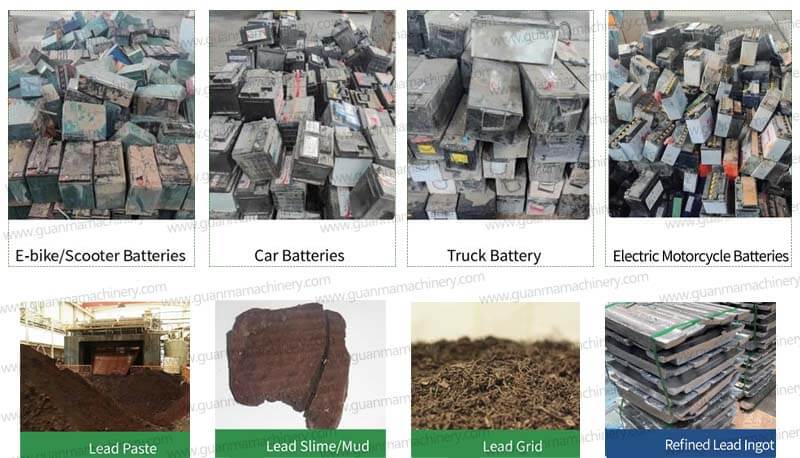
The recovered materials can then be reused in manufacturing new batteries and industrial products.
Why Is Lead Acid Battery Recycling So Important in 2026?
Environmental Regulations Are Becoming Stricter
Governments worldwide are increasing restrictions on hazardous waste disposal. Improper disposal of lead acid batteries can contaminate soil and water with toxic lead and acid.
As environmental laws tighten, recycling facilities are no longer optional — they’re essential.
Lead Demand Continues to Rise
Lead remains a critical material in:
- Automotive batteries
- Energy storage systems
- Telecom backup systems
- Renewable energy storage
Recycled lead now supplies a major percentage of global lead demand.
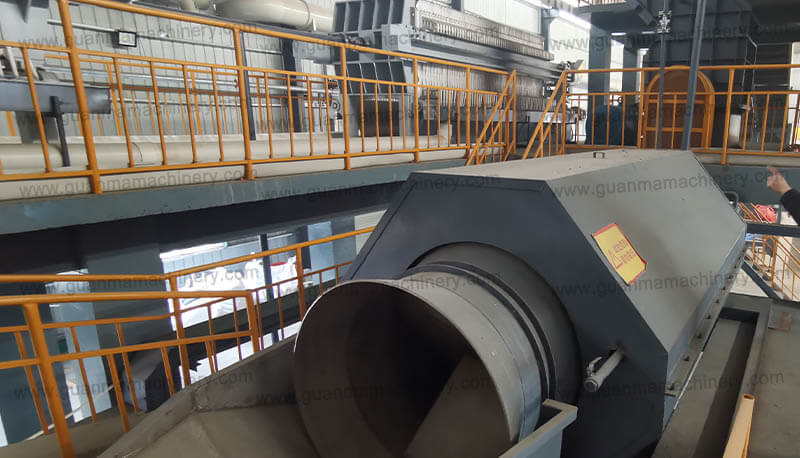
How Does the Lead Acid Battery Recycling Process Work?
Step 1: Battery Collection
The process begins with collecting used batteries from:
- Auto repair shops
- Battery dealers
- Industrial facilities
- Scrap yards
- Telecom companies
Step 2: Battery Crushing
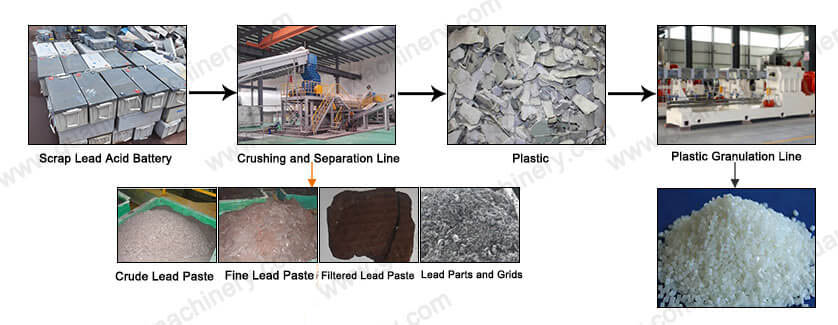
The batteries are fed into a crusher system where they are broken into smaller pieces.
At this stage, the machine separates:
- Lead components
- Plastic casing
- Electrolyte liquid
This automated process improves efficiency while reducing labor costs.
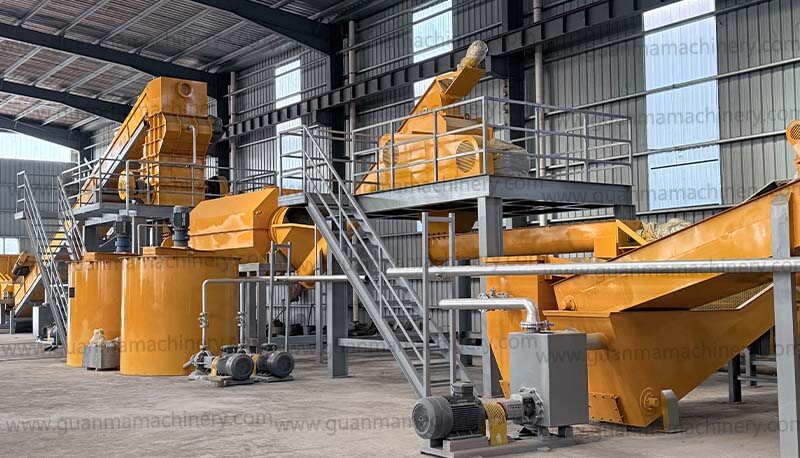
Step 3: Material Separation
Using gravity separation, hydraulic systems, and screening equipment, the materials are sorted into different categories.
Recovered Materials Include:
Lead Paste
Used for smelting and producing refined lead.
Plastic
Usually polypropylene, which can be pelletized and reused.
Electrolyte
Can be neutralized and processed safely.
Step 4: Lead Smelting
Recovered lead materials are melted in smelting furnaces.
The purified lead is then cast into ingots for resale or battery manufacturing.

Step 5: Plastic Recycling
The plastic components are washed, crushed, and converted into reusable pellets.
These pellets can be sold directly to plastic manufacturers.
What Products Can Be Recovered from Battery Recycling?
Lead Ingots
Lead is the primary revenue source. Recycled lead has strong global demand.
Plastic Pellets
Battery casings contain high-quality polypropylene plastic.
Sulfuric Acid
Some facilities recover and reuse battery acid for industrial applications.
Lead Paste
Lead paste can be further refined for battery production.

How Profitable Is a Lead Acid Battery Recycling Plant?
Revenue Sources Include:
- Sale of refined lead
- Plastic pellet sales
- Service fees for battery disposal
- Export opportunities
- Government recycling incentives
Lead Acid Battery Recycling Machine Price in 2026
What Determines Equipment Cost?
The lead acid battery recycling machine price depends on several factors:
- Plant capacity
- Automation level
- Environmental protection systems
- Smelting technology
- Dust collection systems
- Acid treatment systems
Small-Scale Plant Cost
Entry-level systems may start from tens of thousands of dollars.
These are suitable for small recycling operations or regional processing centers.
Medium to Large-Scale Plant Cost
Fully automated industrial plants can cost several hundred thousand dollars or more.
However, larger facilities usually achieve faster ROI because of higher throughput.
Why Automation Matters
Lower Labor Costs
Automated systems require fewer workers.
Improved Safety
Lead handling can be dangerous without proper automation and environmental controls.
Higher Production Efficiency
Modern recycling systems minimize downtime and maximize recovery rates.
Choosing the Right Lead Battery Recycling Machine Supplier
A professional lead battery recycling machine supplier should have:
- Proven project experience
- Engineering support
- Installation guidance
- Environmental compliance expertise
- Look for Turnkey Solutions
The best suppliers provide:
- Plant layout design
- Equipment manufacturing
- Installation
- Operator training
- After-sales service
Your supplier should provide:
- Dust collection systems
- Wastewater treatment
- Acid neutralization systems
- Emission control technology
Why Many Buyers Choose China Lead Acid Battery Recycling Plants
Competitive Manufacturing Costs
A china lead acid battery recycling plant often offers lower equipment costs compared to European or North American systems.
Strong Manufacturing Capabilities
China has become a major manufacturing hub for recycling equipment.
Many suppliers offer:
- Custom engineering
- OEM solutions
- Large-scale production capacity
- Global Export Experience
The battery recycling industry is no longer just about waste management — it’s about resource recovery and sustainable profits.
Understanding the lead acid battery recycling process, choosing the right lead battery recycling machine supplier, and carefully evaluating the lead acid battery recycling machine price are essential steps toward building a successful operation.
Frequently Asked Questions About Lead Battery Recycling
1. How much does a lead acid battery recycling machine cost?
The cost varies depending on plant capacity, automation level, and environmental systems. Small plants may cost tens of thousands of dollars, while fully automated industrial systems can cost significantly more.
2. What materials can be recovered from lead acid batteries?
Recycling plants typically recover lead, lead paste, polypropylene plastic, and sulfuric acid.
3. Is lead acid battery recycling profitable in 2026?
Yes. Growing environmental regulations, rising lead demand, and stable recycling markets make this industry highly profitable when managed properly.
4. Why choose a China lead acid battery recycling plant supplier?
Chinese manufacturers often offer competitive pricing, strong engineering capabilities, turnkey solutions, and extensive export experience for international markets.
📩 Get Your Free Quote Today
Contact us today to discuss your project, capacity requirements, and target materials. Our team will reply within 24 hours with a customized proposal. You can also reach us directly at [email protected] — we are here to help!