If you are exploring the lucrative world of battery recycling, the first question on your mind is likely, “What is the cost of lead battery recycling plant? ” Guanma Machinery will break down the lead battery recycling plant setup cost by dissecting the machinery, regulatory fees, and hidden expenses you need to budget for.
Why the Price Varies: Key Cost Drivers
To understand the total investment, you must look at the three main pillars of the plant: Processing Capacity, Technology Level, and Environmental Compliance.
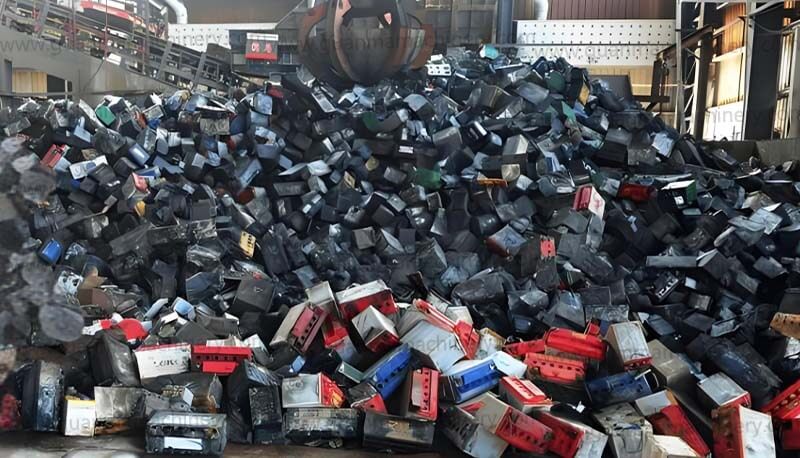
Lead Battery Recycling Plant Processing Capacity
The scale of production is the biggest determinant of the cost of lead battery recycling plant.
Small-scale (1-5 tons per day)
Ideal for startups or local entrepreneurs. These plants focus on simple crushing and separation. Estimated cost range: 50000$ – $100000.
Medium-scale (5–10 tons per hour)
These are fully automated lines that include desulfurization and advanced smelting. Estimated cost range: $300,000 – $800,000.
Large-scale (10–20+ tons per hour)
Integrated continuous systems with pollution control and high recovery rates. Estimated cost range: $1 million + .
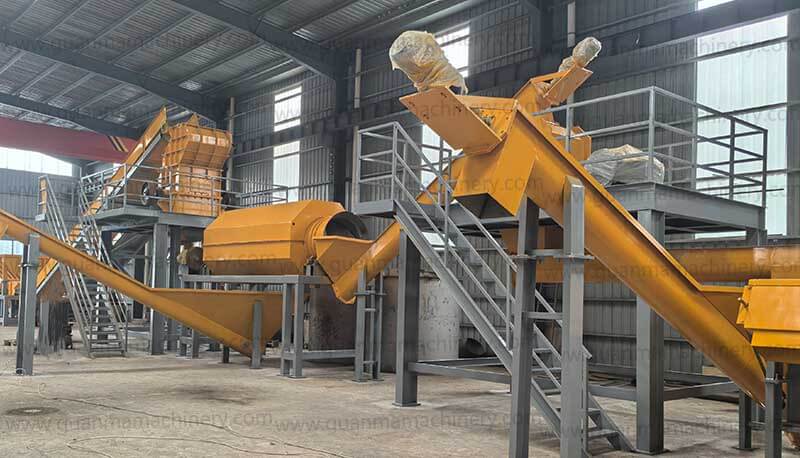
Lead Battery Recycling Equipment and Technology Breakdown
A standard used lead acid battery recycling plant includes several key components, each adding to the total cost:
Battery Cutter/Separator
Hydraulic cutters vs. hammer crushers.
Hydro-separation System
For separating Polypropylene (plastic), Lead grids, and Paste.
Lead Smelting Furnace
Rotary smelting furnaces are common, but more advanced reverberatory furnaces cost more but offer higher efficiency.
Lead Refining Plant
For alloy adjustment.
Pollution Control Equipment
This is non-negotiable. Baghouse dust collectors and acid gas scrubbers can account for 20-30% of the total lead battery recycling plant setup cost.
Environmental Compliance and Licenses
Unlike general manufacturing, a lead processing plant is heavily regulated.
Environmental Impact Assessment (EIA): Required in most countries.
Licensing Fees: Permits for handling hazardous waste.
Safety Gear and Infrastructure: Acid-proof flooring, ventilation systems, and worker protection gear are mandatory and add to the initial capital expenditure.
Hidden Costs to Consider
When budgeting for your lead acid battery recycling plant cost, don’t forget these often-overlooked expenses:
Land and Civil Works: The land must be zoned for industrial use and located away from residential areas. Concrete foundations for heavy machinery are costly.
Installation and Commissioning: Shipping heavy machinery overseas and paying for engineers to install and train your staff can add 10-15% to the equipment cost.
Working Capital: You need cash flow to purchase the first batch of scrap batteries before you have produced and sold your first ingot of refined lead.
How to Get an Accurate Quote
Instead of asking “What is the cost?”, we recommend you provide the following details to suppliers to get a precise quotation:
Your daily processing target (e.g., 10 tons per day).
The type of output you want (Refined ingots or just separated paste).
Local environmental standards (This dictates the level of filtration needed).
Is It a Worthwhile Investment?
Despite the high initial capital, the return on investment (ROI) for a lead battery recycling plant is generally strong. With the rising demand for refined lead and the scarcity of virgin ore, the margins are favorable.
Ready to Start Your Lead Battery Recycling Project?
Contact Guanma Machinery Today for a personalized consultation and a detailed breakdown of the costs tailored to your specific capacity and local regulations.
FAQ
How does the lead battery recycling process work?
The lead battery recycling process typically includes collection, transportation, and dismantling of batteries. The batteries are then crushed, and the materials are separated using physical and chemical processes. Lead is extracted and purified for reuse, while sulfuric acid is neutralized and converted into sodium sulfate, which can be used in products like detergents.
Can all lead-acid batteries be recycled?
Most lead-acid batteries can be recycled, including those used in vehicles, industrial applications, and renewable energy storage. However, it’s essential to check local regulations and guidelines, as specific types of batteries may have different recycling processes.
What factors influence the cost of a lead battery recycling plant?
Several factors influence the cost of a lead battery recycling plant, including site selection, equipment purchases, labor costs, safety and environmental regulations, and operational capacity. Additionally, costs for securing permits, waste disposal, and community engagement can also impact the overall investment needed for the plant.
What are the operational costs associated with running a lead battery recycling plant?
Operational costs for a lead battery recycling plant include labor, utilities, maintenance, transportation, and materials. Additionally, compliance with environmental regulations may incur costs for waste management and emissions control. Businesses must budget for these ongoing expenses after initial setup to ensure profitability and sustainability.
Recommended Reading
Looking for Lead Acid Battery Recycling Machine Supplier
15Ton/H Lead Acid Battery Recycling Plant by Guanma Machinery
How Much Does a Lead Acid Battery Recycling Plant Cost? Key Factors & Insights
China’s Best Lead Acid Battery Recycling Plant Manufacturer Guanma Machinery
📩 Get Your Free Quote Today
Contact us today to discuss your project, capacity requirements, and target materials. Our team will reply within 24 hours with a customized proposal. You can also reach us directly at [email protected] — we are here to help!