Concerned about lead acid battery disposal cost and its impact on your business or operations? Properly managing end-of-life lead acid batteries (LABs) is crucial for environmental compliance and safety, but understanding the associated costs is key.
Understanding the Cost Factors
The lead acid battery disposal cost isn’t a single flat fee; it varies significantly based on several key elements:
1. Volume and Weight
Larger quantities typically benefit from lower per-unit costs due to economies of scale. Costs are often quoted per kilogram (kg) or per tonne.
2. Battery Condition
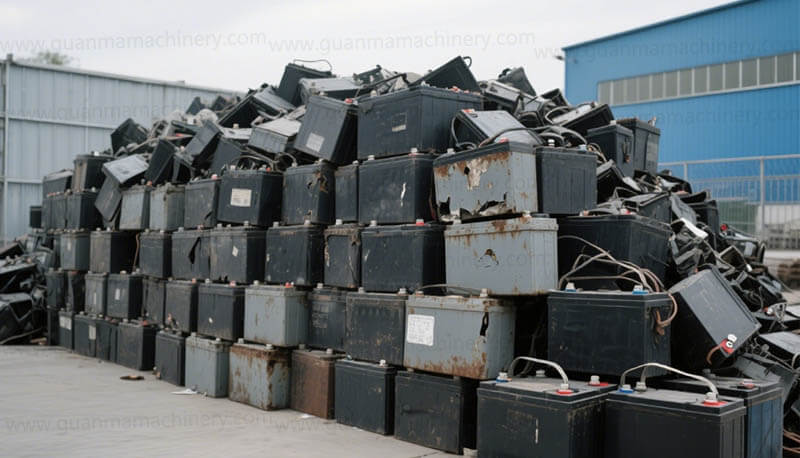
Intact batteries are safer and cheaper to handle than damaged or leaking ones, which require special hazardous waste protocols, increasing the lead acid battery disposal cost.
3. Location and Logistics
Transportation distance to the nearest permitted recycling facility is a major component. Remote locations face higher freight costs. Collection logistics (pickup vs. drop-off) also play a role.
4. Market Value of Recovered Materials
This is CRITICAL. LABs contain valuable lead and plastic. Reputable recyclers factor in the current market price for recovered lead when determining your net cost. When lead prices are high, your net disposal cost can be very low, zero, or even result in a payment to you. Conversely, low lead prices increase the net cost.
5. Recycler Fees & Services
Permitted recyclers incur costs for safe processing, environmental controls, labor, and compliance. Their service level (e.g., providing containers, documentation) also affects the price.
6. Local Regulations
Compliance costs vary by region, influencing the overall lead acid battery disposal cost structure.
Beyond Disposal: The Value in Recycling
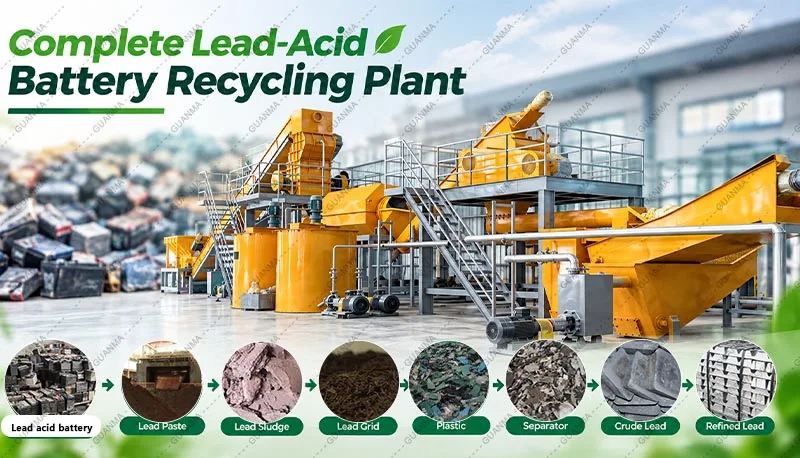
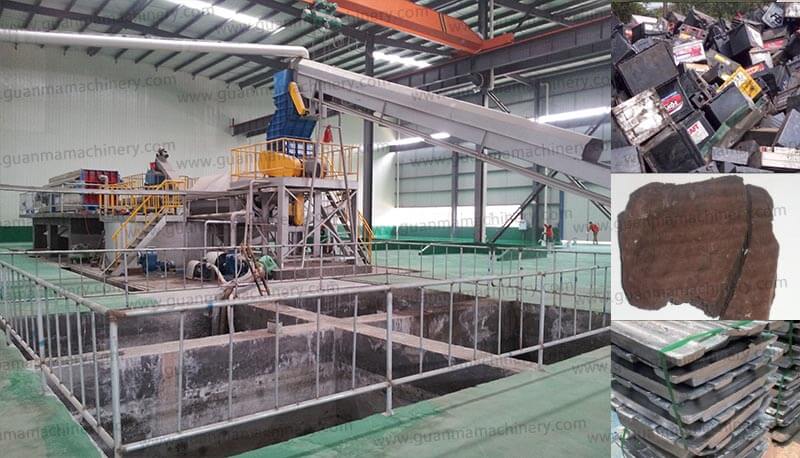
Viewing LABs merely as waste needing disposal overlooks their significant value. The lead battery recycling process is highly efficient, recovering up to 99% of the materials:
1. Collection & Sorting
Batteries are gathered and sorted.
2. Draining & Crushing
Acid is neutralized or processed, and batteries are crushed.
3. Separation
The lead acid battery recycling equipment in a used lead acid battery recycling plant separates components: lead grids/oxide, polypropylene plastic cases, and sulfuric acid.
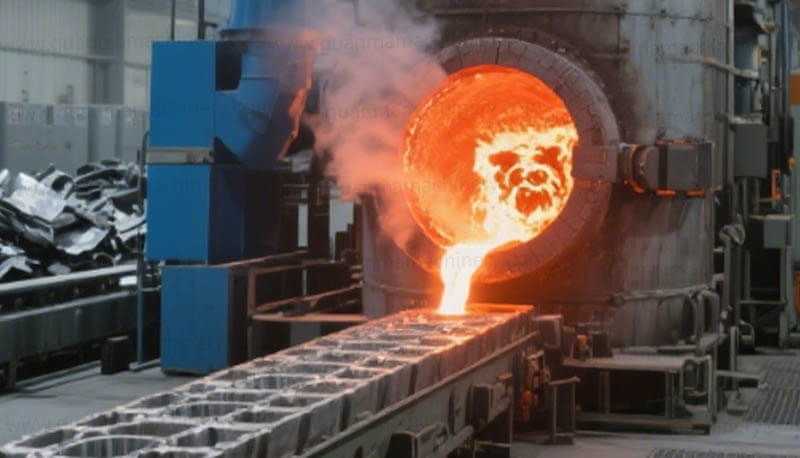
4. Refining
Lead is smelted and refined for reuse in new batteries. Plastic is washed and pelletized. Acid is neutralized or converted.
Transforming Cost into Value (or Minimal Expense)
Here’s the crucial insight: Partnering with a reputable recycler turns the lead acid battery disposal cost equation on its head.
1. Material Revenue
The core value comes from the recovered lead and plastic. A good recycler will share this value with you, offsetting their service fees.
2. Reduced Liability
Proper recycling ensures compliance with hazardous waste regulations (like RCRA in the US), avoiding significant potential fines and environmental liabilities – a hidden cost of improper disposal.
3. Sustainability Credentials
Demonstrating responsible recycling enhances your brand image and meets corporate social responsibility goals.
4. Operational Efficiency
Reliable recyclers offer streamlined logistics (pickup schedules, containers), saving you time and internal handling costs.
Finding the Best Value: Key Questions
When evaluating recyclers to minimize your net lead acid battery disposal cost, ask:
What is your current buy-back rate based on recovered lead value?
Do your quotes include transportation, or is that separate?
Can you provide transparent breakdowns of fees versus material credit?
Can you detail your lead battery recycling process and environmental controls?”
What logistics support do you offer?
Invest in Responsible Recycling
While the lead acid battery disposal cost is a necessary consideration, it shouldn’t be viewed in isolation. By understanding the factors involved and partnering with a certified recycler utilizing advanced lead acid battery recycling equipment.
📩 Get Your Free Quote Today
Contact us today to discuss your project, capacity requirements, and target materials. Our team will reply within 24 hours with a customized proposal. You can also reach us directly at [email protected] — we are here to help!