If you are looking for a high‑efficiency way to recycle used lead‑acid batteries, an automatic lead battery breaking and separation machine is the answer.
What Is an Automatic Lead Battery Breaking and Separation Machine?
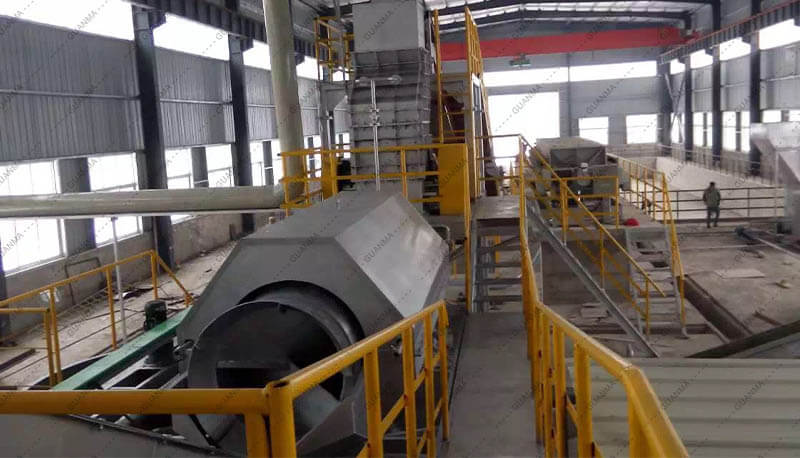
An automatic lead battery breaking and separation machine is an integrated system designed to treat end‑of‑life lead‑acid batteries. The machine employs mechanical crushing, wet separation, and closed‑loop water circulation to recover lead paste, lead grids (Sb/Pb alloys), and PP chips with high purity. It is often referred to as a lead battery crushing and separation system or an automatic battery breaker and separator in the recycling industry.
How Does the Automatic Battery Breaking and Separation Process Work?
Here is the step‑by‑step process of a standard wet‑type automatic lead battery breaking and separation machine.
1. Battery Feeding and Primary Crushing (Battery Breaker Unit)
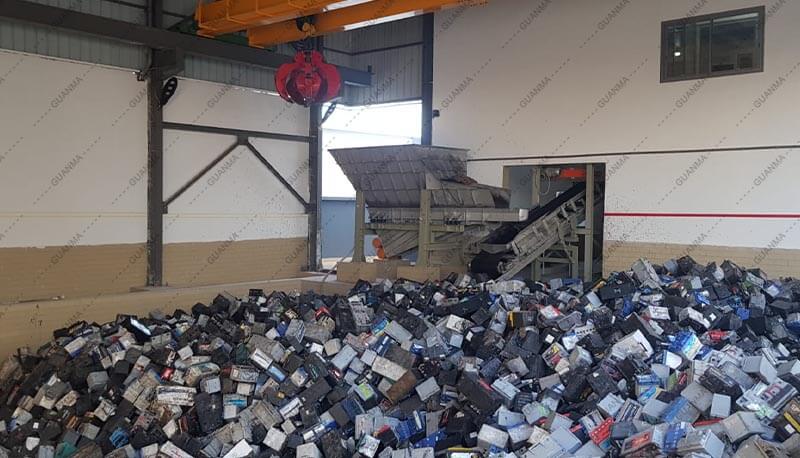
Whole batteries are loaded onto a belt conveyor, passed through an acid drain trap, and then fed into a heavy‑duty hammer crusher. The battery breaking machine crushes the batteries into fragments smaller than 50 mm. The crushed material – a mix of lead paste, metallic pieces, and plastic – drops directly into the separation module.
2. Hydro‑Separation and Sink‑Float Separation
The fragmented slurry enters a vibrating screen and sink‑float separation tanks. Here the different densities do the work:
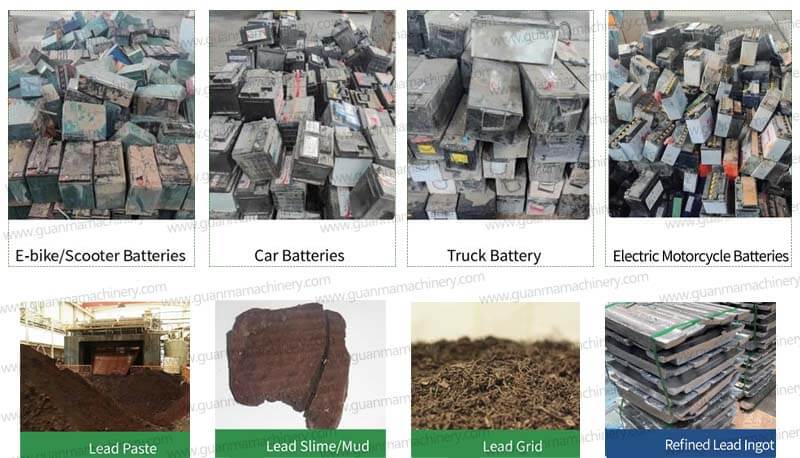
Lead paste (fine powder) is washed out by pressurized water and pumped as slurry to a thickener or filter press.
Lead grids (heavy metallic parts) sink to the bottom and are moved out by a screw conveyor. This fraction can go directly to a lead smelting rotary furnace.
Polypropylene (PP) chips float on the water surface and are skimmed off for further washing.
3. Plastic Washing and Dewatering
The separated PP pieces pass through a friction washer and a dewatering machine. This removes any remaining acid and lead fines, delivering clean PP chips that can be sold to plastic recyclers or reused to make new battery cases.
4. Water and Acid Recycling
All process water is collected, neutralized, and treated through an effluent recycling system. The acid drained before crushing is captured and can be processed into gypsum or sodium sulfate. This makes the lead acid battery recycling machine a truly environment‑friendly solution.
Automatic Lead Battery Breaking and Separation Machine
Automatic lead battery breaking and separation machine. Recovers lead paste, grids & PP plastic with >99% recovery. Get a quote.
If you are looking for a high‑efficiency way to recycle used lead‑acid batteries, an automatic lead battery breaking and separation machine is the answer.
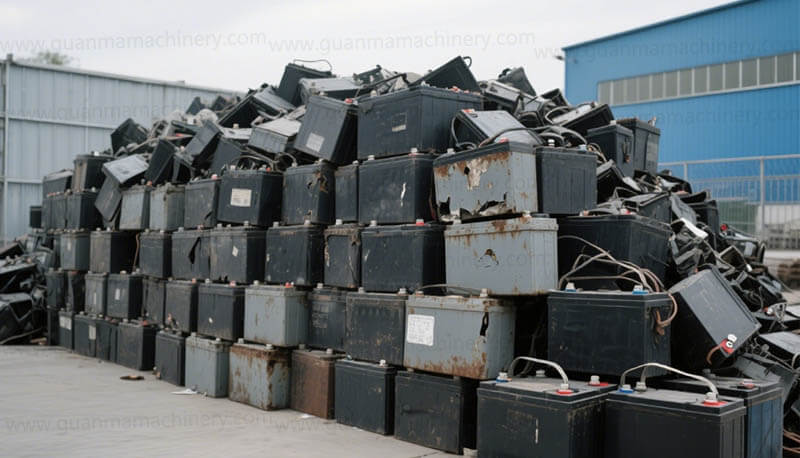
What Is an Automatic Lead Battery Breaking and Separation Machine?
An automatic lead battery breaking and separation machine is an integrated system designed to treat end‑of‑life lead‑acid batteries. The machine employs mechanical crushing, wet separation, and closed‑loop water circulation to recover lead paste, lead grids (Sb/Pb alloys), and PP chips with high purity. It is often referred to as a lead battery crushing and separation system or an automatic battery breaker and separator in the recycling industry.
How Does the Automatic Battery Breaking and Separation Process Work?
Here is the step‑by‑step process of a standard wet‑type automatic lead battery breaking and separation machine.
1. Battery Feeding and Primary Crushing (Battery Breaker Unit)
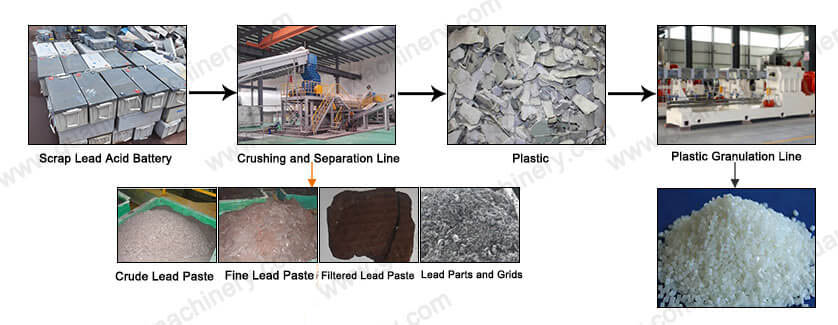
Whole batteries are loaded onto a belt conveyor, passed through an acid drain trap, and then fed into a heavy‑duty hammer crusher. The battery breaking machine crushes the batteries into fragments smaller than 50 mm. The crushed material – a mix of lead paste, metallic pieces, and plastic – drops directly into the separation module.
2. Hydro‑Separation and Sink‑Float Separation
The fragmented slurry enters a vibrating screen and sink‑float separation tanks. Here the different densities do the work:
Lead paste (fine powder) is washed out by pressurized water and pumped as slurry to a thickener or filter press.
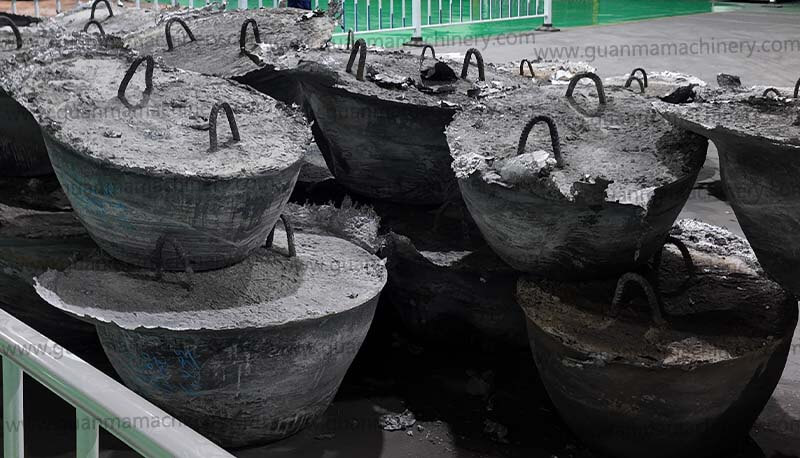
Lead grids (heavy metallic parts) sink to the bottom and are moved out by a screw conveyor. This fraction can go directly to a lead smelting rotary furnace.
Polypropylene (PP) chips float on the water surface and are skimmed off for further washing.
3. Plastic Washing and Dewatering
The separated PP pieces pass through a friction washer and a dewatering machine. This removes any remaining acid and lead fines, delivering clean PP chips that can be sold to plastic recyclers or reused to make new battery cases.
4. Water and Acid Recycling
All process water is collected, neutralized, and treated through an effluent recycling system. The acid drained before crushing is captured and can be processed into gypsum or sodium sulfate. This makes the lead acid battery recycling machine a truly environment‑friendly solution.
Key Components of a Lead Battery Breaking and Separation System
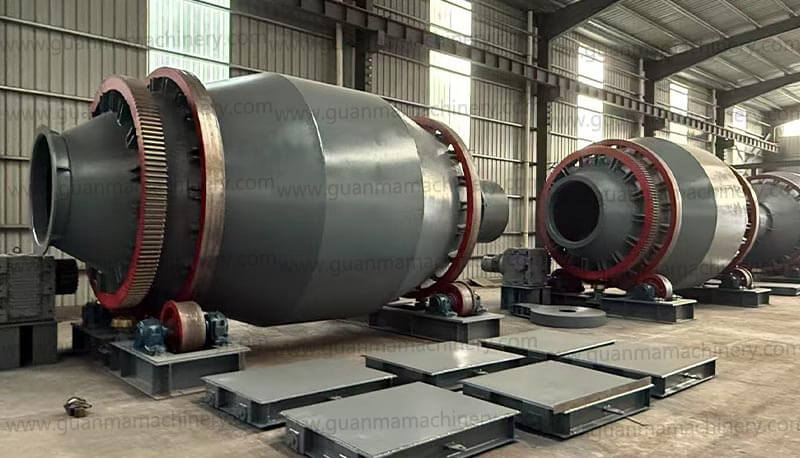
A high‑quality automatic battery breaking machine consists of several carefully engineered parts, each built to withstand harsh acidic conditions:
- Acid drain unit – collects and stores electrolyte before crushing.
- Heavy‑duty crusher / hammer mill – breaks whole batteries without over‑grinding.
- Vibrating classification screen – separates fine lead paste from larger particles.
- Sink‑float separation tanks – achieve accurate separation of lead grids and plastics.
- Lead paste thickener or filter press – dewaters the paste for direct smelting.
- PP friction washer and centrifugal dryer – yields clean plastic chips.
- Closed‑loop water treatment system – neutralizes acid, recycles process water.
- Central PLC control panel – allows one‑operator monitoring of the entire battery scrap processing line.
Why Invest in an Automatic Lead Battery Recycling Machine?
Choosing an automated system over manual breaking or older dry methods brings immediate benefits to your operation.
1. High Recovery Rates
Hydro‑separation pushes lead recovery beyond 99%. The lead paste filtration step captures the finest particles, while the sink‑float system yields grids with less than 0.5% organic contamination. Clean PP chips increase your profit margin because they command a higher resale price.
2. Fully Enclosed and Environmentally Safe
Unlike dry breaking systems that generate lead‑laden dust, a wet battery breaker and separator operates under negative pressure with water curtains. A well‑designed battery crushing and separation system recycles 95‑98% of process water, dramatically reducing wastewater volumes.
3. Labor and Maintenance Savings
A single operator can manage a line handling 5‑10 tons per hour. Automated controls minimize human error and keep the lead battery breaking plant running consistently.
4. Modular Scalability
You can start with a 2‑ton/hour small battery breaking machine and later add modules to reach 15‑20 tons per hour. The separation equipment integrates seamlessly with downstream lead smelting rotary furnaces, lead refining plant, and effluent treatment plants, so you build a complete lead acid battery recycling plant step by step.

How to Choose the Right Automatic Lead Battery Breaking and Separation Machine
Processing Capacity
Small recyclers may look for a 2–5 t/h battery breaker unit, while regional plants often require 10 t/h or more. Ask about feed size adaptability: can it handle automotive, industrial, and truck batteries without pre‑sorting?
Lead Recovery Rate
The core purpose of an automatic battery separator is clean fractionation. Demand a guaranteed lead recovery rate (e.g., ≥99%) and plastic purity (≥99.5% PP).
Environmental Compliance
A genuine environment‑friendly lead battery recycling machine comes with a water‑treatment closed loop, acid‑proof construction, and emergency spill containment. Check if the machine meets the emission standards in your country.
After‑Sales Service
The supplier should provide rapid access to spare parts and detailed operational training. Ask about the availability of remote troubleshooting and on‑site commissioning – a critical point for foreign buyers investing in a battery breaking and separation system.
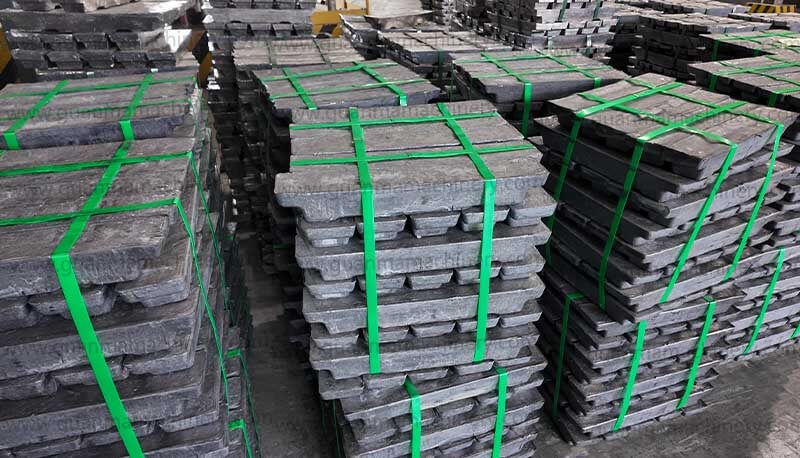
Lead Battery Breaking Machine Price Factors
The lead battery breaking machine price varies widely based on capacity, automation level, and included accessories such as acid disposal and plastic washing. While a small‑scale line may start around $400,000, a turnkey plant with full lead refining can exceed $800,000.
Take the Next Step Toward Efficient Battery Recycling
An automatic lead battery breaking and separation machine gives you the tools to turn hazardous scrap into a profitable resource stream with unmatched safety and efficiency.
Ready to explore a tailored solution? Contact guanma machinery today to discuss your capacity needs, receive a detailed quotation, and schedule a video tour of our running plants.
Frequently Asked Questions About Automatic Lead Battery Breaking Machines
What type of batteries can the machine process?
The system handles all types of lead‑acid batteries, including automotive SLI batteries, industrial forklift batteries, and deep‑cycle AGM batteries.
How much space does a complete line require?
A 5 t/h automatic lead battery breaking and separation machine typically needs a floor area of about 60 m × 15 m, including feeding, separation, plastic washing, and a small water treatment area.
Can the machine operate without an acid drainage system?
While possible, it is not recommended. Draining acid before crushing reduces corrosion inside the equipment and recovers a valuable resource. Most modern lead battery scrap processing machines include an acid drain and storage module.
📩 Get Your Free Quote Today
Contact us today to discuss your project, capacity requirements, and target materials. Our team will reply within 24 hours with a customized proposal. You can also reach us directly at [email protected] — we are here to help!