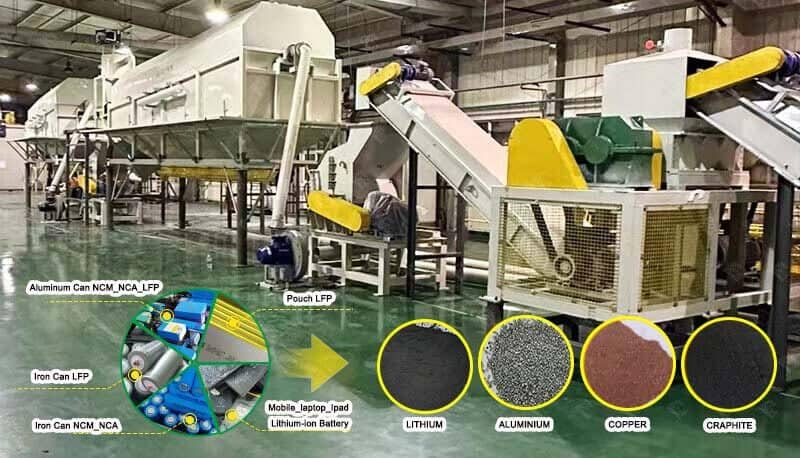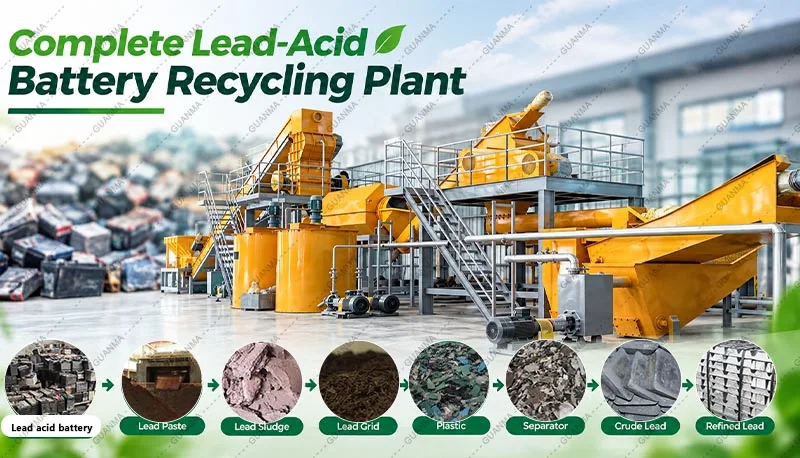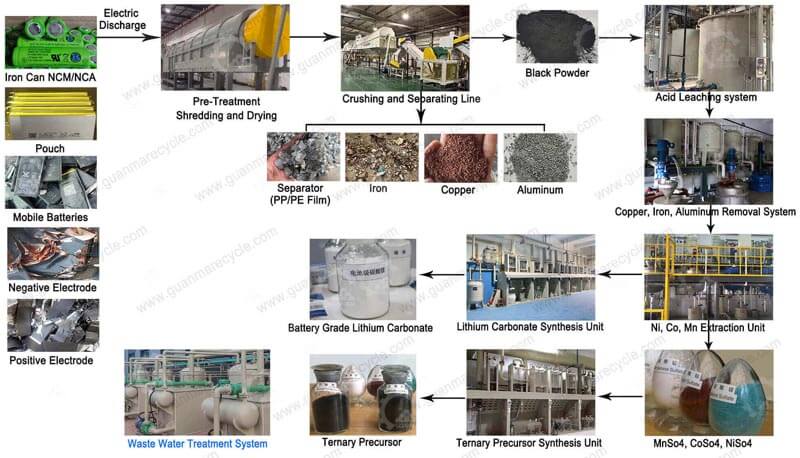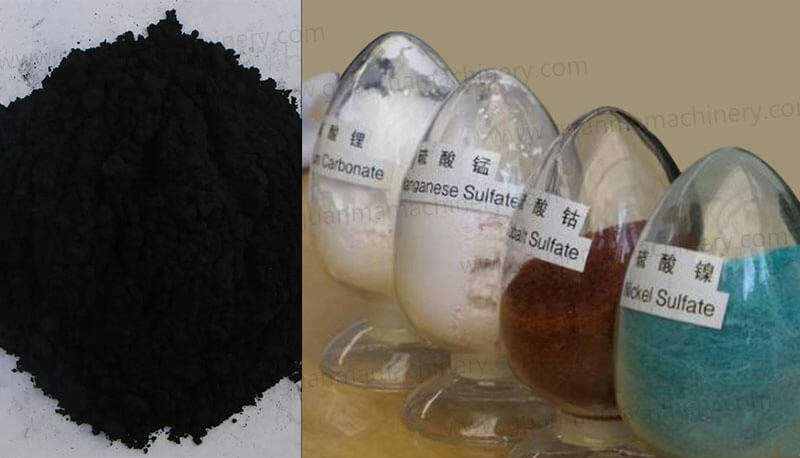
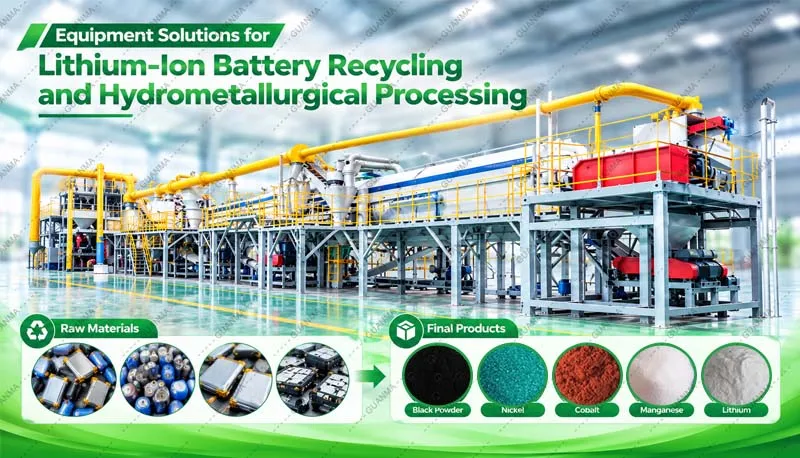
Equipment solutions for lithium-ion battery recycling and hydrometallurgical processing are integrated systems that discharge, dismantle, shred, separate, and chemically recover valuable metals—lithium, cobalt, nickel, manganese—from spent batteries.
Why Equipment Selection Is Critical in Li-Ion Battery Recycling
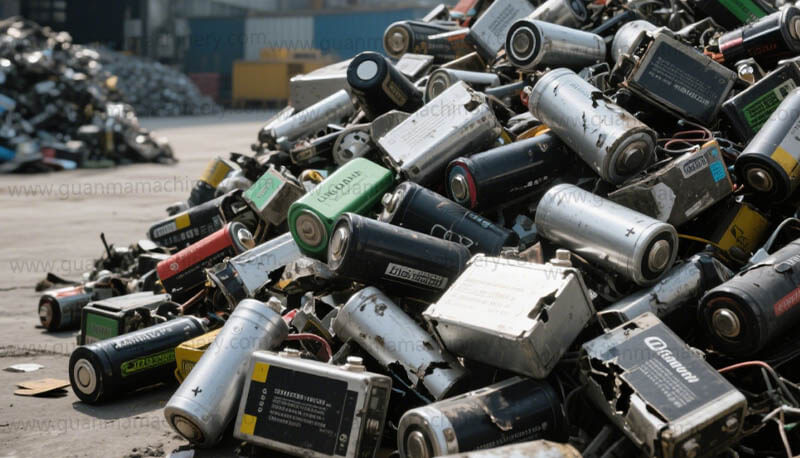
The global lithium-ion battery recycling market is projected to exceed $20 billion by 2030, driven by EV adoption and tightening regulations. Equipment selection affects four bottom-line outcomes:
- Recovery rates: Advanced hydrometallurgical equipment can recover over 95% of lithium, cobalt, and nickel.
- Operational safety: Properly designed systems mitigate thermal runaway risks, toxic electrolytes, and high-voltage hazards.
- Regulatory compliance: Equipment must meet EU Battery Regulation, EPA standards, and local safety codes.
- Total cost of ownership: Energy-efficient designs and automated controls reduce long-term operating costs.
Key Challenges in Battery Recycling
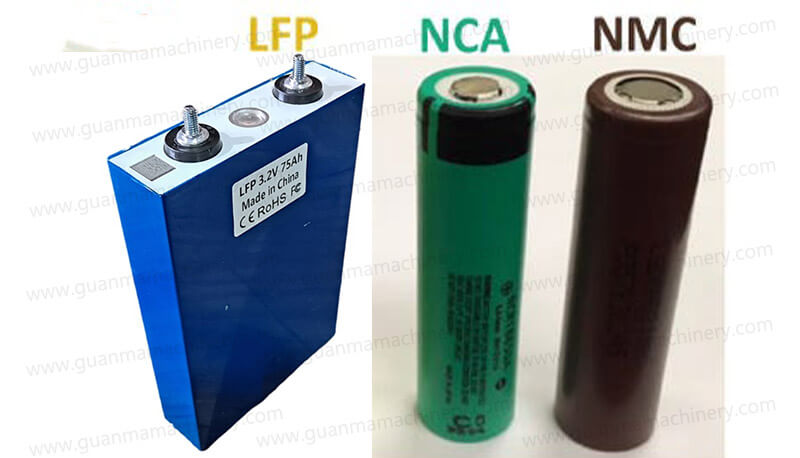
- Variable battery chemistries (NMC, LFP, LCO, NCA)
- Thermal runaway risks during dismantling
- Electrolyte toxicity and hydrogen fluoride (HF) generation
- Complex separation of mixed materials
The Role of Hydrometallurgical Processing
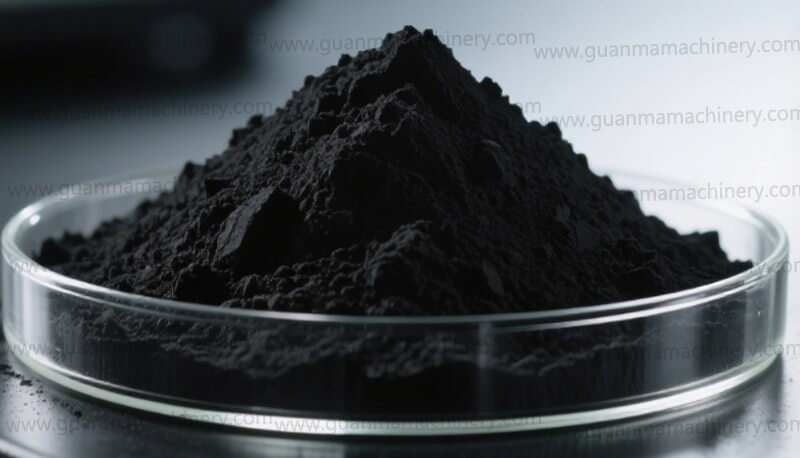
Hydrometallurgical processing recover metals from battery black mass. It offers higher recovery rates and lower energy consumption compared to pyrometallurgy, making it the preferred route for high-value metal recovery—especially for lithium, which is difficult to recover via smelting.
Core Equipment for Lithium-Ion Battery Recycling
A complete recycling line integrates mechanical pretreatment and hydrometallurgical refining. Below is a breakdown of equipment by process stage.
Pretreatment Equipment
- Battery discharging systems: Salt-water or resistive discharging to neutralize residual voltage before handling.
- Battery dismantling equipment: Automated or semi-automated tools for safe module and pack teardown.
- Shredding and crushing: Nitrogen-protected battery shredders to prevent fire and oxidation during size reduction.
- Electrolyte recovery units: Condensation and scrubbing systems to capture volatile electrolytes and prevent HF emissions.
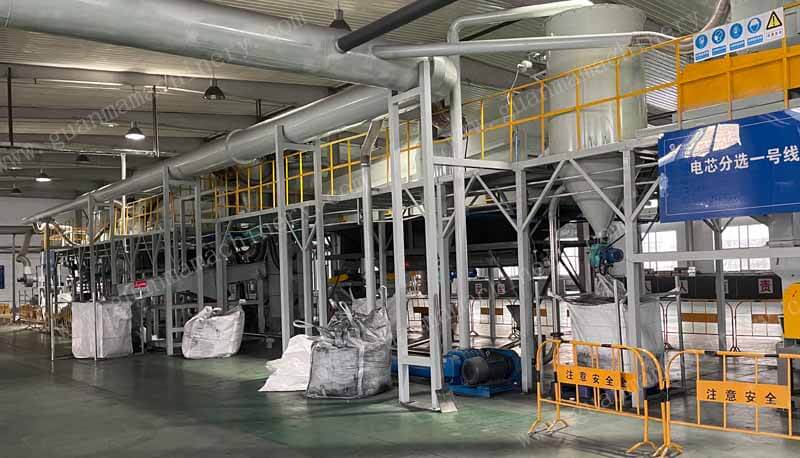
Battery Separation Equipment
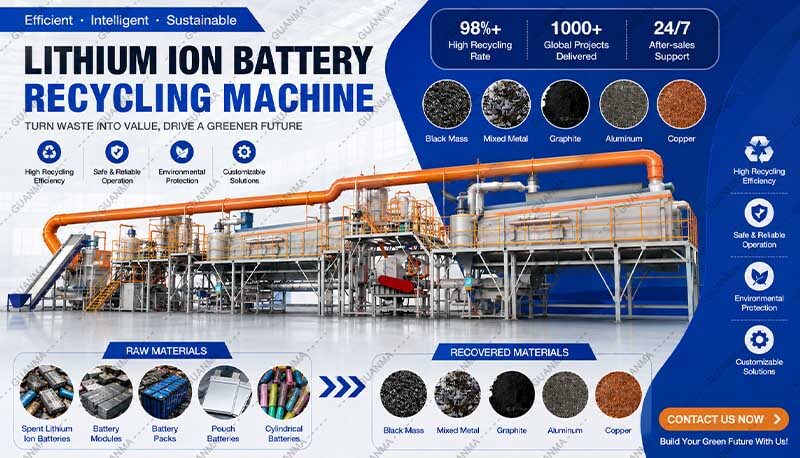
- Magnetic separators: Remove steel casings and iron contamination.
- Eddy current separators: Separate aluminum and copper fractions.
- Sieving and air classification: Produce clean black mass with high metal concentration for hydrometallurgy.
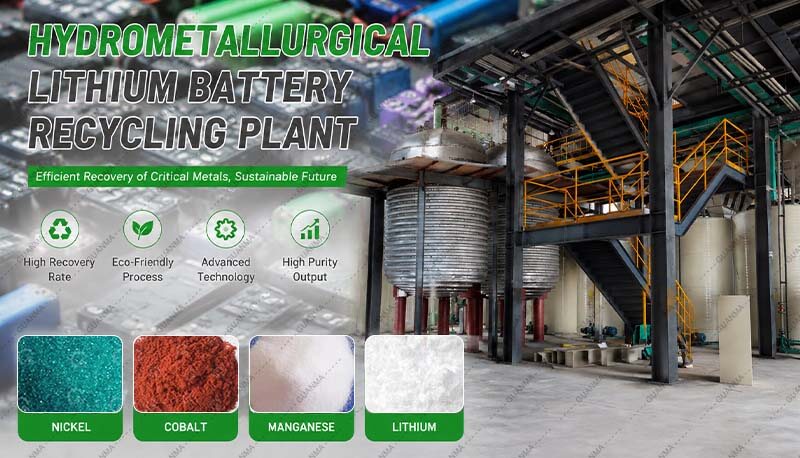
Hydrometallurgical Processing Equipment
- Leaching reactors: Acid or alkaline leaching tanks with agitation and precise temperature control.
- Solid-liquid separation: Filter presses, centrifuges, and clarifiers for pregnant leach solution (PLS) recovery.
- Solvent extraction (SX) units: Mixer-settlers for selective metal separation (Co, Ni, Mn, Li).
- Electrowinning cells: Recover high-purity metals via electrolysis.
- Precipitation reactors: Produce battery-grade lithium carbonate (Li₂CO₃) or lithium hydroxide (LiOH).
Hydrometallurgical Processing: Equipment Deep Dive
Leaching Reactors
Leaching reactors dissolve metals from black mass using sulfuric acid, hydrochloric acid, or organic acids. Key specifications include:
- Corrosion-resistant materials (Hastelloy, PTFE-lined carbon steel)
- Temperature control range of 60–90°C
- Gas scrubbing for SO₂ and CO₂ capture
Solvent Extraction Equipment
Solvent extraction separates cobalt, nickel, and manganese with high selectivity. Mixer-settler units require:
- Precise phase ratio control
- Anti-crusting designs to minimize maintenance downtime
- Modular construction for scalability from pilot to commercial scale
Electrowinning and Precipitation Systems
Electrowinning recovers copper and cobalt at >99.9% purity. Precipitation reactors produce lithium carbonate or lithium hydroxide suitable for battery remanufacturing, closing the loop in the circular economy.
How to Choose the Right Battery Recycling Equipment Supplier
Technical Expertise and Process Design
A qualified supplier provides:
- Lab-scale testing and feasibility studies on your specific feedstock
- Process simulation and mass balance modeling
- Custom equipment design tailored to your battery chemistry mix
Compliance and Safety Standards
Verify supplier adherence to:
- CE, ISO 9001, and ISO 14001 certifications
- ATEX or NEC hazardous area classification for solvent extraction areas
- Local environmental and safety regulations
Scalability and After-Sales Support
- Modular designs for pilot-to-commercial scale-up
- Remote monitoring and predictive maintenance capabilities
- Spare parts availability and on-site technician training
Ready to Build Your Battery Recycling Line
Selecting the right equipment solutions for lithium-ion battery recycling and hydrometallurgical processing is essential for achieving high recovery rates, ensuring operational safety, and meeting regulatory requirements.
Contact Guanma Machinery today to discuss your project requirements and request a customized equipment proposal.
📩 Get Your Free Quote Today
Contact us today to discuss your project, capacity requirements, and target materials. Our team will reply within 24 hours with a customized proposal. You can also reach us directly at [email protected] — we are here to help!